
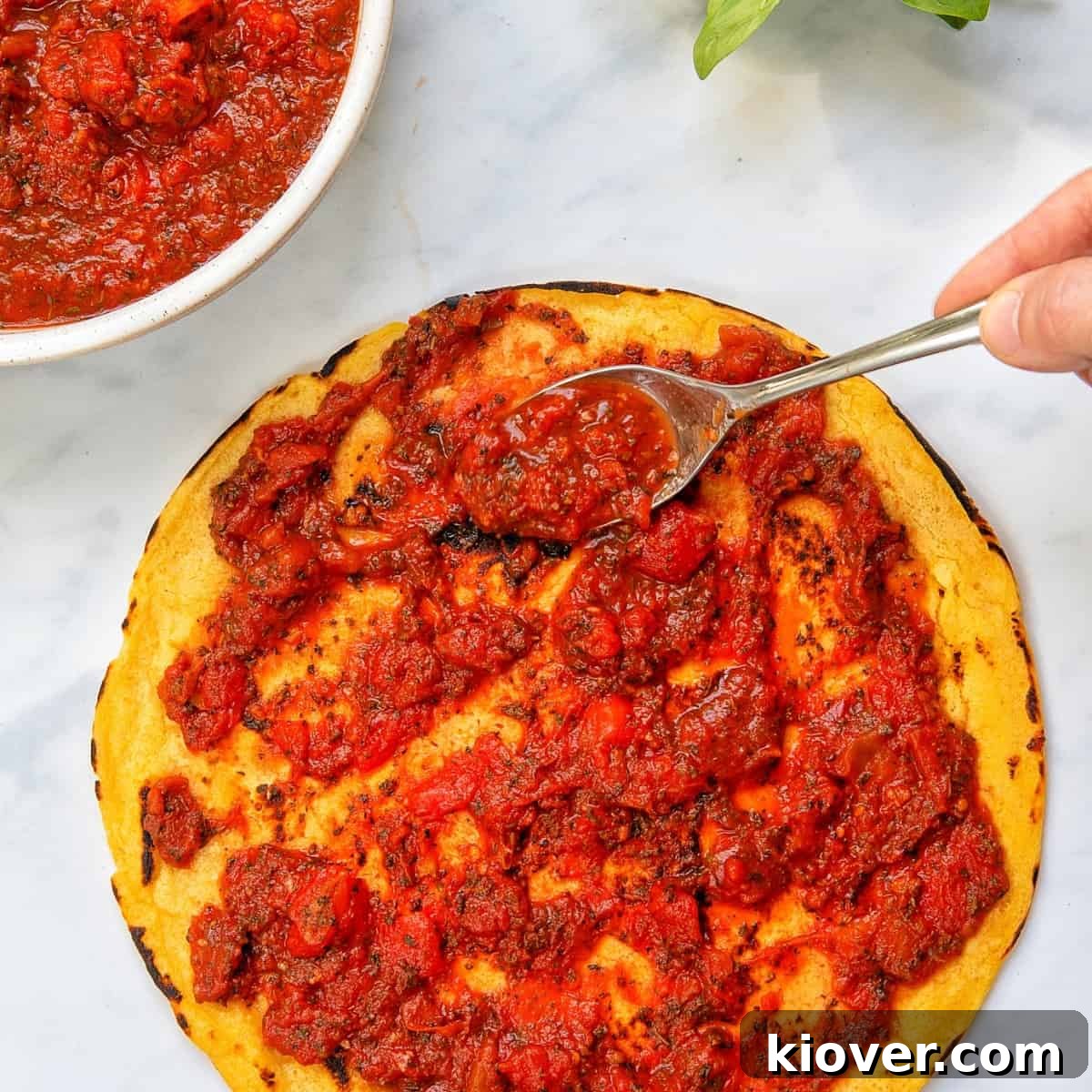
The Ultimate 10-Minute Homemade Pizza Sauce Recipe
Discover the secret to pizzeria-quality pizza right in your own kitchen with this incredibly simple and quick Homemade Pizza Base Sauce. Forget store-bought jars packed with unknown ingredients; this recipe is ready in just 10 minutes, uses only 5 pantry staples, and requires a single pot. It’s truly about to become your go-to easy pizza sauce recipe for every pizza night!
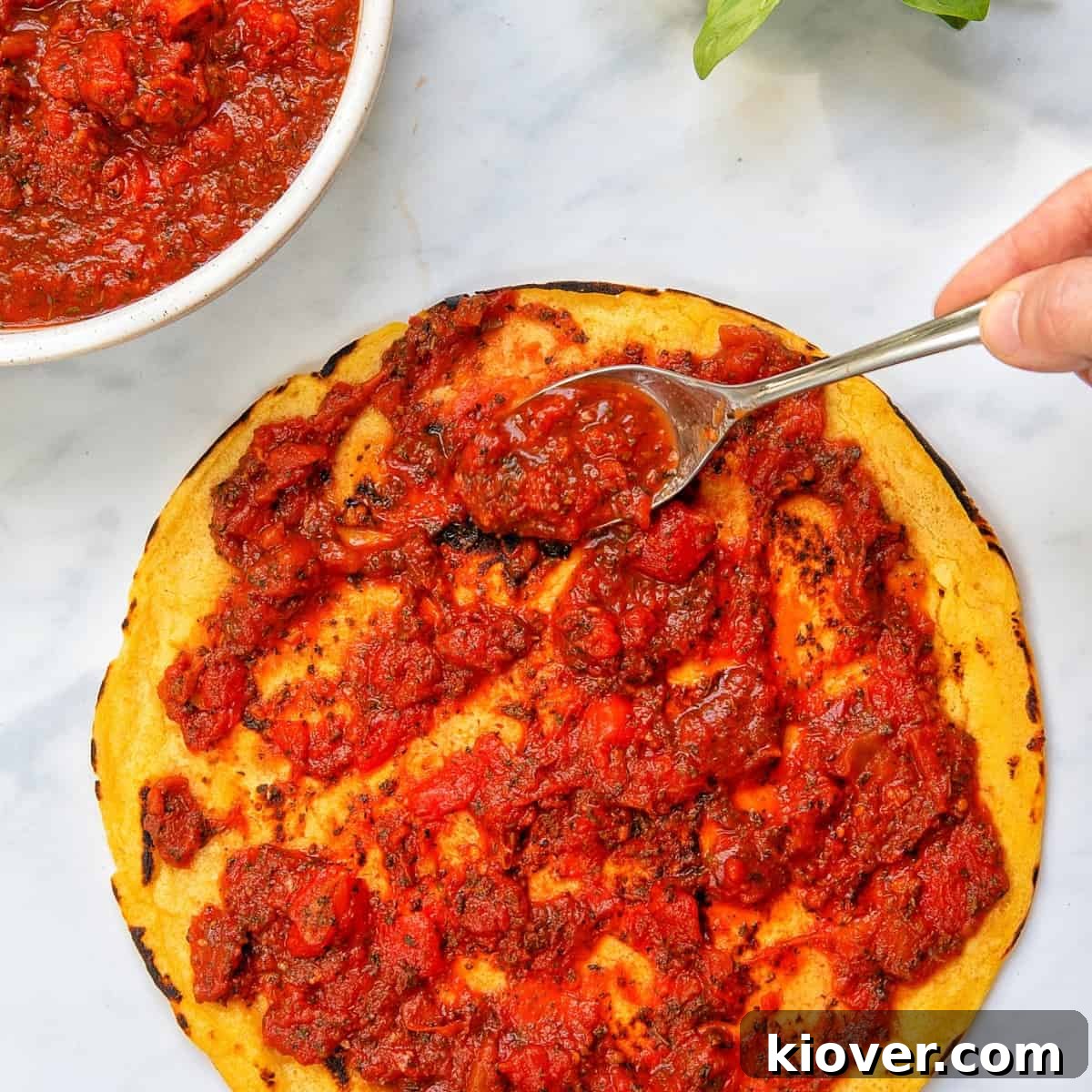
Recipe Difficulty – Very Easy
Table of Contents
- Why This Homemade Pizza Sauce Is a Must-Try
- The Essential Ingredients for Your Best Pizza Sauce
- Smart Substitutions for Every Pantry
- Creative Variations to Elevate Your Pizza Night
- Step-by-Step Guide: Crafting Your Perfect Pizza Sauce
- Expert Tips for Homemade Pizza Sauce Success
- Storing and Reheating Your Delicious Sauce
- Frequently Asked Questions About Pizza Sauce
- Pizza Base Sauce Recipe
Why This Homemade Pizza Sauce Is a Must-Try
Pizza is a universal favorite, enjoyed year-round, and the foundation of any great pizza starts with an exceptional sauce. This incredibly easy homemade pizza sauce is designed to become your new kitchen essential, transforming ordinary pizza nights into extraordinary culinary experiences. What makes this the best pizza sauce? It’s crafted from common pantry staples like quality canned tomatoes and tomato paste, making it effortlessly accessible whenever a pizza craving strikes.
Beyond its convenience, the flavor profile is simply amazing. A harmonious blend of savory garlic, aromatic herbs, and rich tomato creates a sauce that perfectly complements any homemade pizza dough. But its benefits don’t stop there. This recipe is thoughtfully created to be gluten-free, vegan, and refined sugar-free, catering to a variety of dietary needs without compromising on taste or quality. You’ll avoid the hidden sugars and preservatives often found in commercial sauces, giving you complete control over what goes into your meal.
The versatility of this easy pizza sauce also extends to meal planning. It’s ideal for batch cooking – prepare a larger quantity, and then conveniently freeze it in portions. This means you’ll always have a delicious, healthy pizza base sauce ready to go, saving you time and effort on busy weeknights. And if pizza isn’t on the menu, this robust sauce effortlessly transitions into a fantastic pasta sauce, coating your favorite noodles with its deeply satisfying garlic, herb, and tomato flavor. It’s truly a multi-purpose secret weapon for any home cook looking to enhance their dishes with fresh, wholesome ingredients.
The Essential Ingredients for Your Best Pizza Sauce
Crafting the perfect homemade pizza sauce doesn’t require a long list of exotic items. In fact, its beauty lies in the simplicity and quality of just a few key ingredients. Here’s what you’ll need to create this incredibly flavorful sauce:
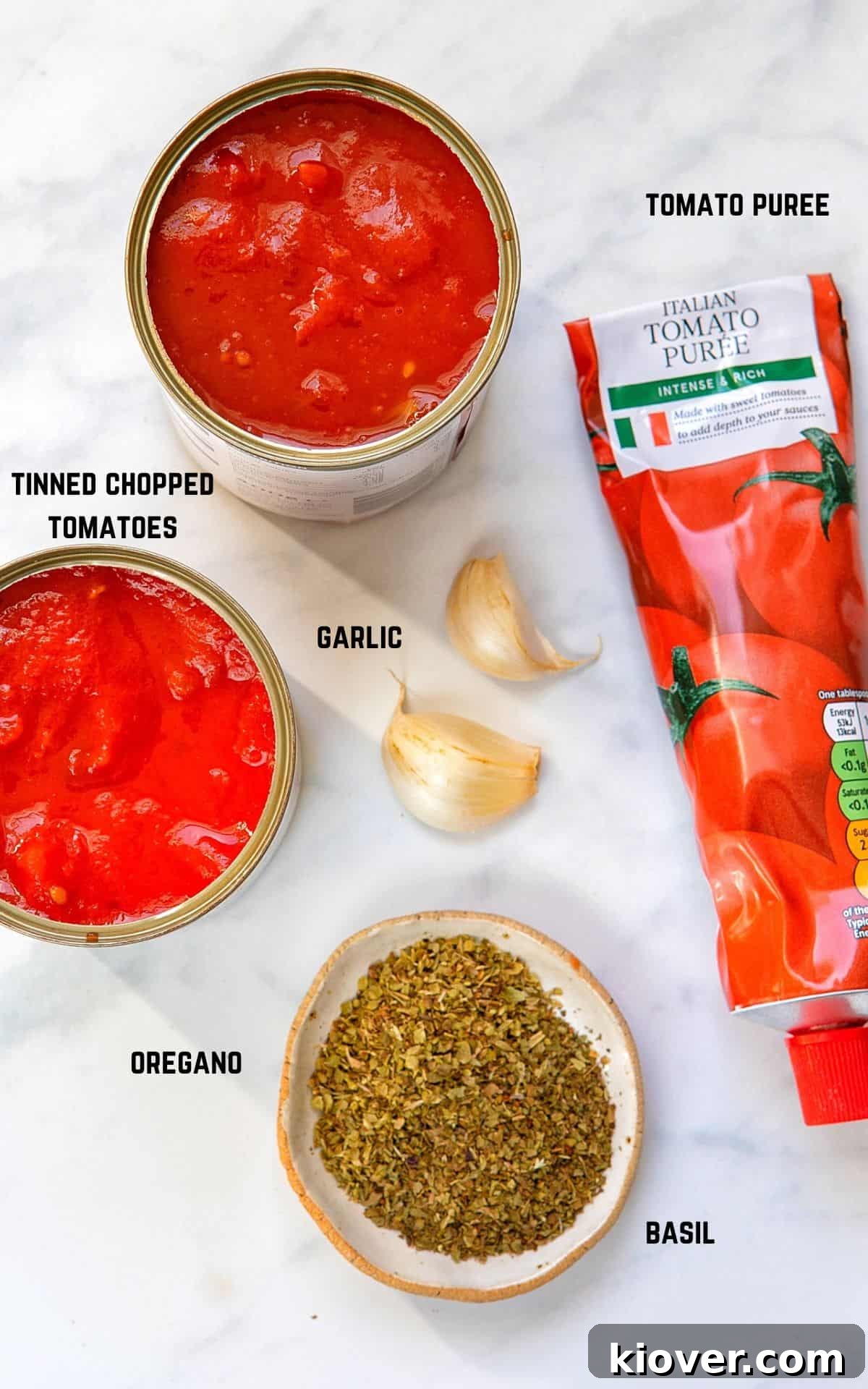
- Canned Chopped Tomatoes: These form the rich, juicy base of our easy pizza sauce. Opt for high-quality, ripe chopped tomatoes for the best flavor. They provide the necessary liquid and texture, giving the sauce a satisfying, slightly chunky consistency that many prefer.
- Tomato Puree: This concentrated tomato paste is crucial for deepening the tomato flavor and helping to thicken the sauce without needing to simmer it for hours. It adds a robust, umami note that enhances the overall taste.
- Dried Basil: A cornerstone of Italian cuisine, dried basil brings a sweet, peppery, and slightly minty aroma. When cooked, it releases its fragrant oils, infusing the sauce with that classic pizza taste.
- Dried Oregano: Another essential Italian herb, dried oregano offers a pungent, earthy, and slightly bitter flavor that perfectly complements the sweetness of the tomatoes and basil. Together, basil and oregano create the quintessential savory herb blend for pizza.
- Garlic Cloves: Freshly crushed garlic cloves are non-negotiable for this sauce. They provide a pungent, aromatic warmth that balances the acidity of the tomatoes and elevates the entire flavor profile. Always use fresh for maximum impact!
- Pinch of Salt: A simple pinch of salt is vital for seasoning. It doesn’t just add saltiness; it enhances and balances all the other flavors, making the tomatoes taste brighter and the herbs more vibrant. Adjust to your personal preference.
See the recipe card below for exact quantities and detailed instructions.
Smart Substitutions for Every Pantry
Even with a simple recipe, sometimes you might find yourself missing an ingredient or wanting to adapt it to what you have on hand. Here are some smart substitutions to ensure you can always make this delicious homemade pizza sauce:
- For Canned Chopped Tomatoes: If you don’t have chopped, you can use canned whole peeled tomatoes and crush them by hand or pulse them briefly in a food processor for a chunkier texture. Passata (strained tomato puree) can also be used for a smoother sauce, but you might need to simmer it slightly longer to achieve the desired thickness.
- For Tomato Puree (Tomato Paste): If you’re out of puree, you can use a higher concentration of chopped tomatoes and reduce the sauce longer to thicken it. Alternatively, a small amount of sundried tomato paste can add an even deeper, more complex tomato flavor.
- For Dried Basil and Oregano: Fresh herbs are a wonderful alternative! If using fresh basil or oregano, double the quantity (e.g., 4 tsp fresh for 2 tsp dried) and add them towards the end of the simmering process to preserve their vibrant flavor and color. A pre-mixed Italian seasoning blend can also work in a pinch.
- For Garlic Cloves: While fresh garlic is highly recommended for its superior flavor, if you’re pressed for time or don’t have fresh cloves, you can substitute with garlic powder. Use about ½ teaspoon of garlic powder for every fresh clove. Adjust to taste.
- For Salt: Any fine-grain salt will work here, whether it’s table salt, sea salt, or Kosher salt. Just be mindful of the grind, as different salts can have varying levels of salinity. Always taste and adjust as you go.
- Optional Additions: Consider a pinch of onion powder for subtle depth, a tiny dash of balsamic vinegar for complexity, or a pinch of sugar (if not refined sugar-free) to cut any acidity from the tomatoes.
Creative Variations to Elevate Your Pizza Night
This simple pizza sauce recipe is a fantastic base, but it’s also incredibly adaptable. Don’t be afraid to experiment and customize it to your taste or to match your specific pizza toppings. Here are a few exciting variations:
- Spicy Pizza Sauce: For those who love a kick, transform this into a spicy pizza sauce. Add a generous amount of red pepper flakes during simmering for a slow, building heat. For more intense spice, incorporate a pinch of cayenne pepper or finely diced fresh chili like jalapeño or serrano. A dash of hot sauce can also be stirred in at the end.
- Deluxe Herb Garden Sauce: Elevate the herb profile by adding a wider variety of fresh or dried herbs. Consider a pinch of dried thyme, rosemary, or marjoram alongside the basil and oregano. Fresh parsley, finely chopped and stirred in after cooking, can also add a bright, fresh note. For an even more “garden fresh” taste, finely grate a small amount of carrot or zucchini into the sauce while simmering, it will cook down and add sweetness without being detectable.
- Mediterranean Inspired Sauce: Add 2-3 sun-dried tomatoes (chopped) to the sauce mixture for a concentrated, sweet-tart flavor. You could also stir in a tablespoon of finely chopped Kalamata olives or capers at the end for a briny, savory twist, perfect with feta cheese and roasted vegetables.
- Smoky BBQ Pizza Sauce (for a unique twist): While this is a classic red sauce, for a truly adventurous variation, you could gently simmer in a teaspoon of smoked paprika and a touch of liquid smoke or even a tablespoon of your favorite BBQ sauce to create a smoky-sweet base that pairs wonderfully with pulled chicken or beef.
- Kid-Friendly & Smooth Sauce: If your little ones prefer a smoother texture or you want to sneak in extra veggies, simply blend all the ingredients in a food processor or blender for about 20-30 seconds before or after simmering until completely smooth. You can also finely grate vegetables like carrots, bell peppers, or spinach into the sauce while it simmers; they’ll practically disappear, adding nutrients without altering the taste significantly.
How to make Homemade Pizza Sauce
This recipe is designed for maximum ease and minimal fuss. You’ll be amazed at how quickly you can create such a flavorful sauce from scratch!
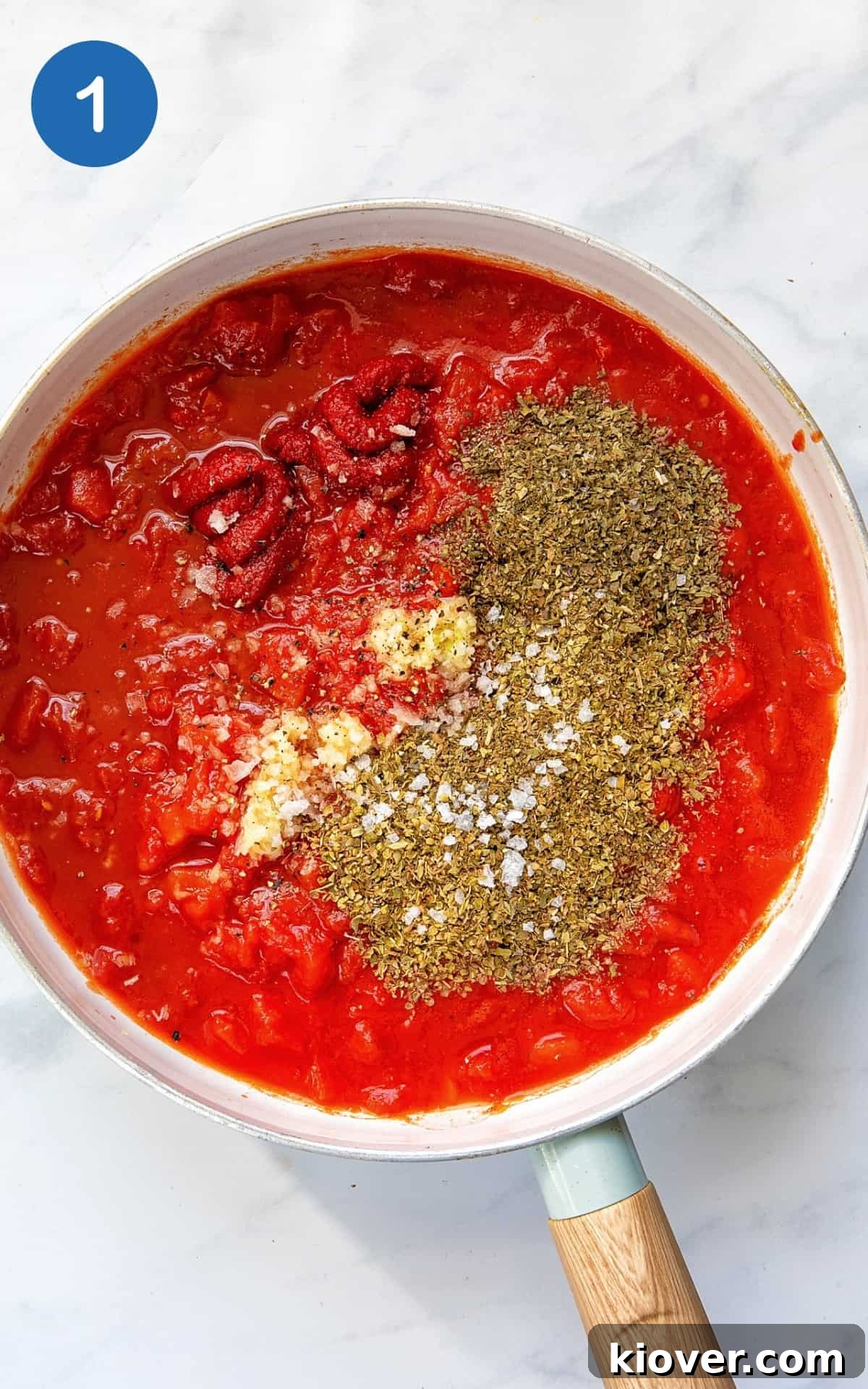
Step 1: Combine All Ingredients. Take a medium to large pot and add your canned chopped tomatoes, tomato puree, dried basil, dried oregano, crushed garlic cloves, and a pinch of salt. Stir all the ingredients together thoroughly until well combined. Ensure the garlic is evenly distributed for maximum flavor.
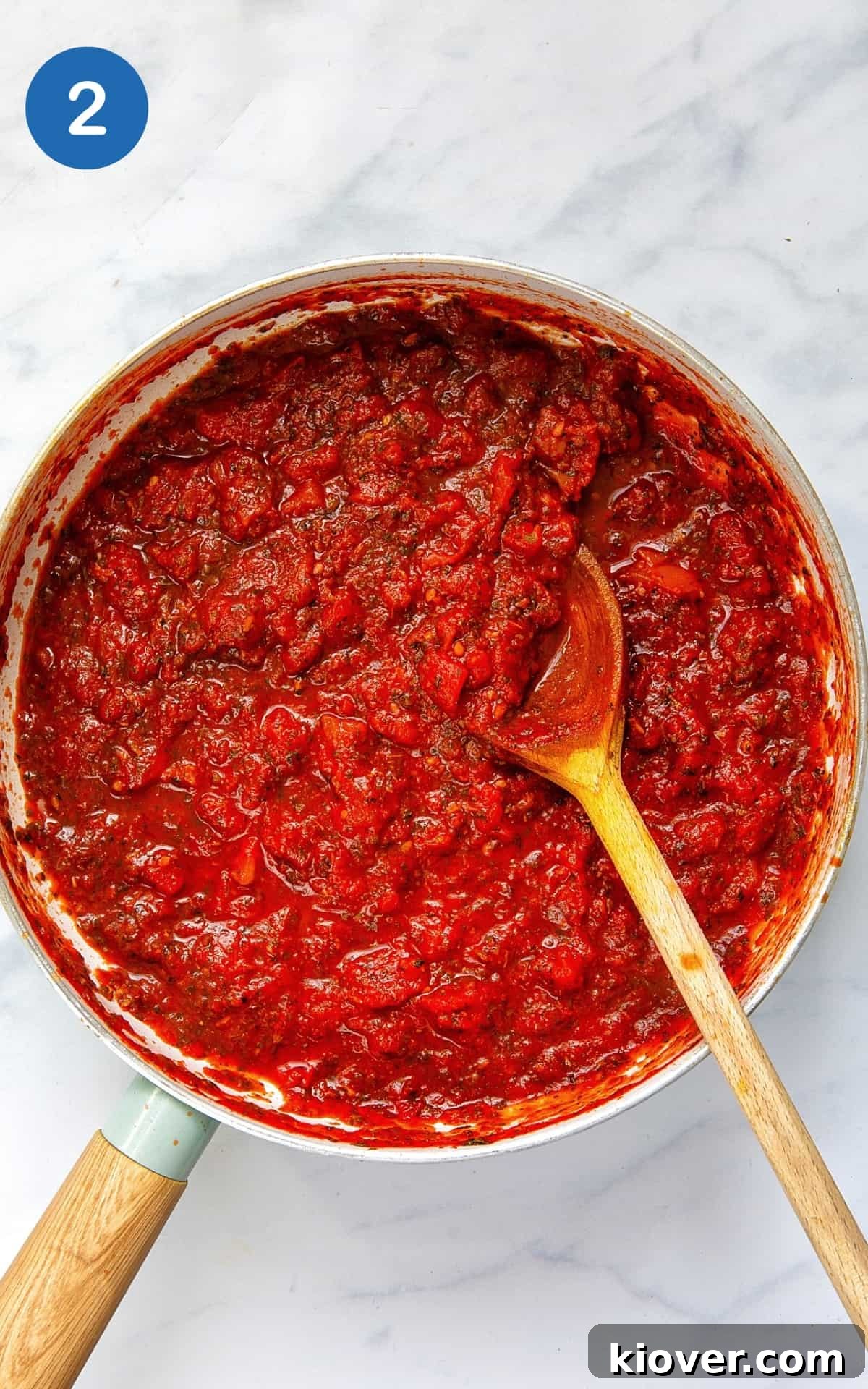
Step 2: Simmer and Thicken. Place the pot on your stovetop and bring the mixture to a low/medium heat. Allow the sauce to gently simmer, stirring occasionally, until it begins to thicken to your desired consistency. This process typically takes around 10 minutes. The simmering allows the flavors to meld beautifully and the excess liquid to evaporate, resulting in a rich, concentrated sauce perfect for pizza.
Expert Tips for Homemade Pizza Sauce Success
While this recipe is incredibly straightforward, a few expert tips can elevate your homemade pizza sauce from great to absolutely exceptional:
- Quality Matters: Since there are so few ingredients, the quality of each one truly shines through. Invest in good quality canned chopped tomatoes. Italian San Marzano tomatoes are often praised for their sweet, balanced flavor, but any good brand will do.
- Fresh Garlic is Key: While substitutions exist, nothing beats the pungent, aromatic flavor of freshly crushed garlic. Avoid pre-minced garlic if possible, as its flavor can be muted.
- Don’t Over-Simmer: The goal is to thicken and meld flavors, not to cook it down into a paste. 10 minutes is usually sufficient. Over-simmering can sometimes lead to a slightly burnt taste or reduce the fresh tomato brightness.
- Taste and Adjust: Always taste your sauce before it goes on the pizza. Add a little more salt if needed, or a tiny pinch of sugar to balance acidity if your tomatoes are particularly tart. A small splash of olive oil at the end can also add a nice richness.
- Achieving Your Preferred Texture: If you, like many, enjoy a slightly chunky pizza sauce, this recipe’s use of chopped tomatoes is perfect. If you prefer an ultra-smooth sauce, simply use an immersion blender or a regular blender to puree the ingredients before or after simmering. Just be careful when blending hot liquids.
- Cool Before Spreading: Allow your sauce to cool slightly before spreading it on your pizza dough. Applying very hot sauce can sometimes lead to a soggy crust.
Storing and Reheating Your Delicious Sauce
One of the many benefits of making your own pizza sauce is the ability to prepare it in advance and store it for future use. This makes pizza night even more convenient!
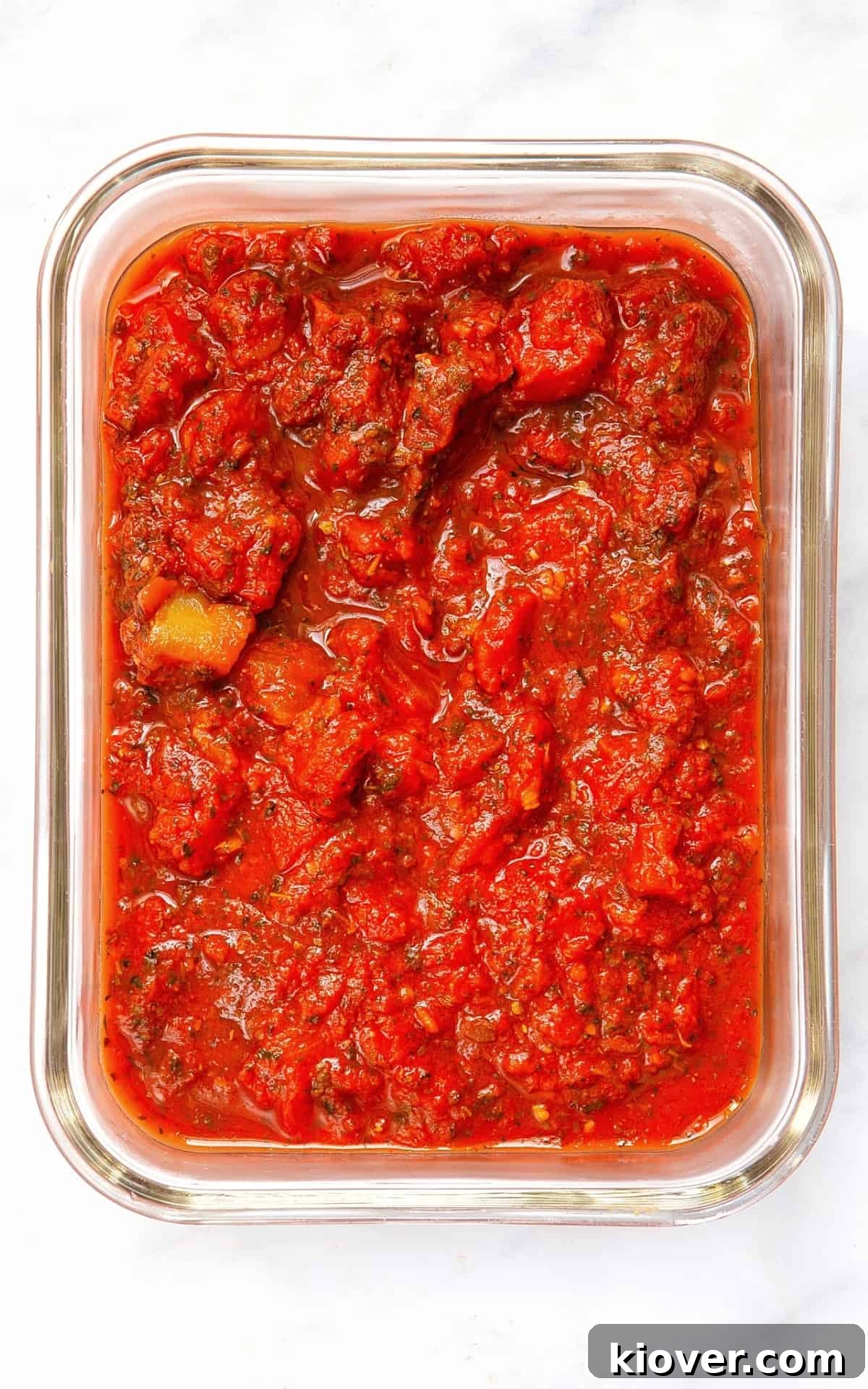
To Store: Once your homemade pizza sauce has cooled completely, transfer it to an airtight container. It will keep beautifully in the refrigerator for up to 7 days. For longer storage, this sauce freezes exceptionally well. Portion it into freezer-safe bags or airtight containers, leaving a little headspace for expansion, and freeze for up to 6 months. Don’t forget to label with the date!
To Reheat: When you’re ready to use your stored sauce, if frozen, allow it to thaw in the refrigerator overnight or use the defrost setting on your microwave. Reheat gently in a pot or pan over low heat on the stovetop, stirring occasionally, until it is piping hot. Alternatively, you can reheat it in a microwave-safe dish, covered, stirring every minute or so. If the sauce has thickened too much during storage or reheating, you may need to add a splash of water or vegetable broth to achieve your desired consistency.
Frequently Asked Questions About Pizza Sauce
Batch cooking this tomato sauce is incredibly easy and efficient. Simply multiply the recipe quantities by 2, 3, or even 4 to make 8, 12, or 16 portions at a time. Once cooked and cooled, portion the sauce into individual airtight containers or freezer bags, then freeze it down for your next pizza or pasta night. This saves significant time and effort on busy evenings.
My signature pizza sauce recipe is made by combining high-quality canned chopped tomatoes, concentrated tomato puree, fragrant dried basil, savory dried oregano, fresh crushed garlic cloves, and a pinch of salt. All these ingredients are simmered together in one pot for about 10 minutes until thickened and the flavors have fully melded. It’s a remarkably easy and truly delicious method!
Absolutely! Using fresh tomatoes will result in a brighter, perhaps slightly less intense flavor, but it’s a great option if you have an abundance of ripe, in-season tomatoes. You’ll need to blanch and peel them, then dice or crush them before simmering. You might also need to simmer for a bit longer to achieve the desired consistency, as fresh tomatoes contain more water. If the sauce seems too thin, a bit more tomato puree or even a tablespoon of red wine can add depth and help thicken it.
Yes, it absolutely is! One of the greatest advantages of making pizza sauce from scratch is having complete control over the ingredients. My recipe uses only 5 wholesome ingredients, making it fresh, nutritious, and free from any refined sugars, artificial preservatives, or excessive sodium often found in store-bought versions. Tomatoes are also packed with antioxidants like lycopene, which become even more bioavailable when cooked.
While both are tomato-based sauces, traditional pizza sauce is typically thicker and uncooked (or only lightly cooked) to allow it to cook fully on the pizza crust without making it soggy. Marinara, on the other hand, is generally cooked for a longer period, often with more vegetables like onions, and is thinner, designed to coat pasta. Our recipe falls somewhere in between, offering a quick simmer that develops flavor and thickness suitable for both.
If your tomatoes are particularly acidic, there are a few ways to balance the flavor. A tiny pinch of baking soda (just 1/8 to 1/4 teaspoon) can neutralize acidity without affecting taste. Alternatively, adding a small amount of sugar (if not adhering to refined sugar-free) or grated carrot can introduce sweetness that counteracts the tartness. Using higher quality, sweeter canned tomatoes can also prevent this issue.
YOU MIGHT ALSO LIKE…
Related Recipes to Love
Dinner
Gluten Free Pizza Base
Dips/Sauces
Vegan White Sauce (Bechamel)
Dinner
20 Minute Lentil Bolognese
Dinner
Vegan Lasagne
Tried this Pizza Base Sauce recipe? Please leave a star rating ⭐️⭐️⭐️⭐️⭐️ below and let me know how you get on. Your positive feedback is one of the best parts of creating recipes, so please review it below and leave a comment!
P.S. Never miss a new recipe! Get more healthy, delicious recipes sent straight to your inbox weekly – Subscribe now and receive a free recipe eBook!
Pizza Base Sauce
Ingredients
- 2 canned chopped tomatoes, (800g or 28oz)
- 2 tbsp tomato puree
- 2 tsp dried basil
- 2 tsp dried oregano
- 2 small garlic cloves, crushed
- pinch salt
Instructions
-
To a large pot, add all the ingredients listed above and stir thoroughly to combine everything.
-
Simmer the sauce on a low to medium heat setting until it begins to visibly thicken. This process will take approximately 10 minutes, allowing the flavors to meld.
Notes
Substitutions & Variations: A comprehensive list of creative substitutions and exciting variations has been included in the main post above to inspire your culinary creations.
To Store: Store any leftover sauce in an airtight container in the fridge for up to 7 days. For longer storage, it can be frozen for up to 6 months.
To Reheat: Reheat in a pot or pan over low heat until piping hot. Alternatively, cover and microwave. You might need to add a small amount of water to loosen the sauce if it has thickened during storage.
Tip 1: Texture Preference: If you enjoy a smooth pizza base sauce, simply blend the chopped tomatoes in a food processor or blender for about 20 seconds until smooth before cooking. This recipe is naturally chunky, which many find ideal.
Tip 2: Versatility: This homemade pizza sauce doubles as an excellent red sauce for various pasta dishes, adding a delicious depth of flavor to your meals.Tip 3: Perfect Pairing: For an ultimate homemade pizza experience, pair this sauce with my gluten-free pizza dough for an amazing and healthy combination!