
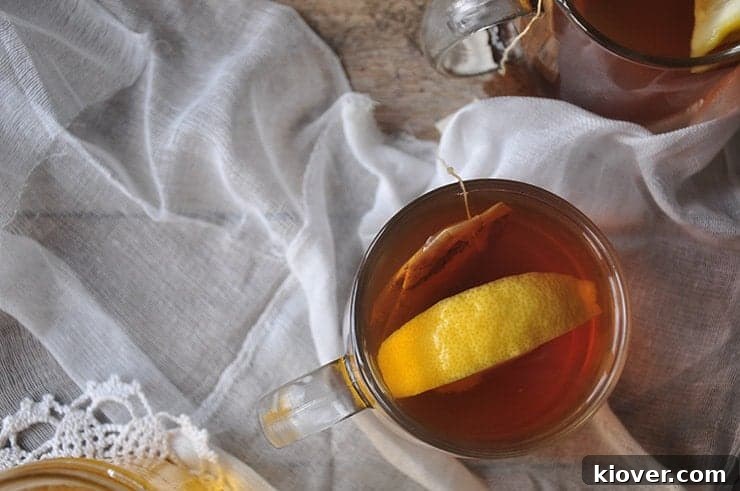
Our initial foray into the comforting world of the classic hot toddy recipe merely scratched the surface. While our first attempt delivered a delightful beverage, we believe there’s a deeper exploration to be had. Today, we’re embarking on a more comprehensive journey, meticulously dissecting the nuanced flavors and scrutinizing each individual ingredient that contributes to an truly exceptional hot toddy. Understanding these foundational elements is paramount, transforming a simple warm drink into a masterful concoction of comfort and taste.
The Quest for the Ultimate Hot Toddy Recipe
A quick survey of various hot toddy recipes online reveals a fascinating spectrum of interpretations. What constitutes a “classic” or “best” hot toddy is clearly a matter of personal preference and historical tradition. We encounter significant variances in the choice of spirit, with some advocating for brandy, others for whiskey, and a surprising number for rum. Similarly, the aromatic base often shifts; some recipes, like our initial one, incorporate tea, while others lean on a medley of spices, or even just plain hot water to carry the flavors. Sweeteners also vary, though most recipes agree on the necessity of a sweet counterpoint. Amidst this rich tapestry of options, two ingredients consistently emerge as universal constants: fresh lemon and hot water. These form the undisputed pillars of any hot toddy. Our aim today is to navigate these choices, providing insight into why certain ingredients might elevate your toddy experience from good to extraordinary.
Deciphering the Spirit: Which Alcohol Reigns Supreme in a Hot Toddy?
When contemplating the ideal spirit for a hot toddy, my initial inclination gravitated towards whiskey, a common choice often associated with this soothing drink. However, historical references frequently point to rum and brandy as equally, if not more, traditional options. This discovery sparked a re-evaluation of my assumptions, leading me down a path of exploring how each spirit might uniquely contribute to the toddy’s character.
Exploring the Alcoholic Canvas: Whiskey, Brandy, and Rum
-
Whiskey: The most prevalent choice in many modern toddy recipes, whiskey offers a broad spectrum of flavors. Bourbon, known for its sweet, vanilla, and caramel notes, can add a comforting warmth and subtle sweetness. Rye whiskey, on the other hand, introduces a bolder, spicier profile, perfect for those who enjoy a sharper kick. Irish whiskey, typically smoother and lighter-bodied, offers a gentle foundation, allowing other flavors to shine. Even a peated Scotch could be an adventurous choice for the more daring palate, although its smoky characteristics might overshadow the delicate balance of a traditional toddy. The choice of whiskey greatly influences the overall character, from mellow and sweet to robust and spicy.
-
Brandy: A captivating alternative, brandy is distilled from wine, imbuing it with inherent fruity notes that can become wonderfully pronounced in a hot toddy. Imagine the rich, complex flavors of grapes, often with hints of oak, caramel, and dried fruit, mingling with lemon and honey. Types like Cognac or Armagnac offer a sophisticated depth, while an apple brandy can provide a crisp, autumnal twist. Brandy’s fruit-forward nature aligns beautifully with the sweet and sour elements of a toddy, adding an elegant layer of complexity.
-
Rum: Often overlooked, rum presents a naturally sweet alternative to whiskey. Its molasses-derived richness and diverse flavor profiles – from the light, floral notes of white rum to the deep, spicy, and caramel undertones of aged dark rum – can introduce an intriguing dimension to a hot toddy. A spiced rum, in particular, might offer an excellent shortcut to a complex flavor profile, complementing the warm spices typically used in the drink. The inherent sweetness of rum can also mean a slight reduction in added sweetener, contributing to a more balanced drink.
Making the Choice: My Personal Recommendation
Ultimately, the choice of alcohol is a deeply personal one, reflective of individual taste. While our inaugural recipe embraced whiskey, my recent exploration has led me to a strong preference for brandy. The fruit-forward nature of brandy, in my estimation, not only resonates with the historical medicinal intention of the hot toddy – where pleasant flavors were often used to make remedies more palatable – but also exquisitely enhances the natural sweet notes we aim to cultivate in the drink. Brandy introduces a layer of sophistication and depth that feels both historically authentic and remarkably delicious. While the vast array of options provides ample opportunity for experimentation, I am confident that brandy will serve as the cornerstone for what I believe will be our most refined and exceptional hot toddy recipe.
To Tea or Not to Tea: Unveiling the Aromatic Foundation
Our original hot toddy recipe incorporated a tea bag, a common and convenient addition in many modern interpretations. However, I’ve come to question its necessity. While undoubtedly easier, relying on a pre-packaged tea bag might not fully do justice to the profound depth of flavor and historical significance a hot toddy can offer. Delving back into the medicinal origins of this comforting concoction reveals that spices, not tea, were traditionally employed. These spices served a dual purpose: making the drink more palatable and contributing to its perceived healing properties. The act of infusing hot water with aromatic spices was believed to impart warmth, soothe ailments, and offer a sense of well-being. Today, while our primary goal may not be strictly medicinal, we can certainly adopt a more thoughtful approach to the spices we choose, elevating the drink beyond mere convenience. Let’s bid farewell to the teabag and embrace the rich potential of carefully selected spices.
The Art of Spice Infusion: Why Simple is Best
I am a steadfast believer that simplicity often begets the most profound flavors. A hot toddy already possesses a wonderfully complex flavor profile, a harmonious blend of sweet, sour, and spirited notes. Introducing a full-bodied blended tea might, paradoxically, complicate rather than enhance this balance, potentially muddling the distinct characteristics of the other ingredients. Instead, I advocate for a minimalist approach, focusing on a select few spices that complement and elevate, rather than overpower. The goal is not a hodgepodge of random spices, but a deliberate selection that contributes specific aromatic qualities.
-
Cinnamon: The quintessential warm spice, cinnamon offers a comforting sweetness, a woody aroma, and a gentle heat that is synonymous with cozy drinks. Its presence in a hot toddy is almost obligatory, providing a foundational layer of warmth and complexity. Whether in stick form, allowing for a slow, gentle infusion, or a pinch of ground cinnamon for a more immediate impact, its role is undeniable.
-
Cloves: Small but mighty, cloves deliver a pungent, sweet, and aromatic intensity that is instantly recognizable. Their inclusion introduces a delightful depth and a subtle hint of peppery warmth that beautifully complements the lemon and brandy. Whole cloves, gently steeped, impart their essential oils without overwhelming the drink. They evoke a sense of traditional comfort and healing, perfectly aligning with the toddy’s heritage.
-
Optional Additions (Used sparingly): For those wishing to explore slightly further without overcomplicating, a thin slice of fresh ginger can introduce a zesty, spicy kick and additional warmth, known for its soothing properties. A single star anise pod can offer a delicate licorice-like aroma and an aesthetically pleasing visual. However, for my preferred “best” recipe, I find that the elegant pairing of cinnamon and cloves provides all the depth and aroma necessary, allowing the brandy, lemon, and honey to truly shine. No tea, no unnecessary fuss – just the pure, unadulterated essence of carefully chosen spices.
The Sweet Touch: Honey or Sugar? A Timeless Debate
In the realm of sweeteners for a hot toddy, I must confess a clear bias. While historical references certainly validate the use of plain sugar, I am unequivocally a “honey guy.” There’s something inherently superior about honey, not just in its flavor profile but also in its texture and perceived benefits, that makes it the perfect companion for this warm elixir. However, let’s explore the arguments for both, and perhaps a few other contenders.
Exploring Sweetener Options
-
Honey: My top choice, and for good reason. Honey offers a natural, complex sweetness that goes far beyond simple sucrose. Its diverse floral notes, varying with the type of honey (clover, wildflower, buckwheat, acacia, orange blossom), can add subtle layers of flavor to the toddy. Beyond taste, honey possesses a pleasing viscosity that contributes to the drink’s comforting mouthfeel. Historically, honey has also been lauded for its soothing properties, particularly for sore throats, aligning perfectly with the hot toddy’s traditional role as a medicinal comfort drink. The synergy between honey and lemon is legendary, creating a balanced sweet-and-sour profile that is both invigorating and soothing.
-
Sugar: The most straightforward sweetener, sugar (granulated, brown, or demerara) provides a clean, neutral sweetness. It’s easy to dissolve and offers precise control over the sweetness level. Brown sugar can add a hint of molasses and caramel notes, while demerara sugar brings a slightly coarser texture and a distinct, less refined sweetness. While perfectly acceptable, sugar often lacks the depth and complexity that honey naturally provides, making the toddy feel perhaps a touch less artisanal.
-
Maple Syrup: For a uniquely North American twist, maple syrup can be a delightful alternative. Its earthy, robust flavor, with hints of caramel and vanilla, pairs exceptionally well with whiskey-based toddies, especially those using bourbon. It introduces a cozy, autumnal feel, making it an excellent choice for a colder evening.
-
Agave Nectar: A more modern option, agave nectar offers a neutral sweetness and dissolves easily, especially in hot liquids. It’s often favored for its lower glycemic index, though its flavor contribution is minimal, allowing other ingredients to dominate.
The Perfect Pairing: Honey and Lemon
For my ultimate hot toddy, honey is the undeniable champion. Its natural sweetness, coupled with its inherent floral notes and soothing qualities, creates a profound harmony with the bright acidity of fresh lemon. This classic pairing is not just about taste; it’s about a complete sensory experience that elevates the drink from a simple mixture to a truly comforting elixir. The way honey coats the throat and blends seamlessly with the other ingredients makes it the superior choice for a toddy that aims for both exquisite flavor and therapeutic warmth.
The Unsung Heroes: Lemon and Hot Water
While the choice of spirit, spices, and sweetener often takes center stage, we must never underestimate the fundamental importance of lemon and hot water. These two ingredients, ever-present in virtually every hot toddy recipe, are far from mere fillers; they are critical to the drink’s structure and success. Their roles are so pivotal that they almost don’t need extensive discussion, beyond emphasizing the absolute necessity of quality.
Lemon: The Brightening Zest
Lemon serves as the vital acidic counterpoint to the sweetness of honey and the richness of the spirit. Its bright, zesty flavor cuts through the warmth, adding a refreshing tang that prevents the drink from becoming cloyingly sweet or heavy. Furthermore, lemon is a natural source of Vitamin C, reinforcing the hot toddy’s historical association with wellness and cold remedies. The key here is freshness. There is simply no substitute for freshly squeezed lemon juice. Bottled lemon juice, often pasteurized and sometimes containing additives, lacks the vibrant, aromatic oils present in fresh lemons, which are crucial for a truly invigorating toddy. A wedge or slice of fresh lemon, squeezed just before serving, and perhaps even a twist of its zest, will unlock a fragrant burst of citrus that bottled alternatives can never replicate.
Hot Water: The Perfect Vehicle
Hot water acts as the carrier for all these wonderful flavors, dissolving the honey, mellowing the alcohol, and extracting the essences from the spices and lemon. It provides the essential warmth that defines a “hot” toddy, making it a soothing balm for chilly evenings or unwell days. The quality of your water matters. Just as you wouldn’t use “swamp water,” as the saying goes, for a fine tea or coffee, you shouldn’t for your hot toddy. Filtered water, free from chlorine and other off-flavors, will ensure that the purity of your ingredients shines through. The temperature of the water is also important; it should be hot enough to dissolve the honey and properly steep the spices, but not so boiling that it immediately evaporates the delicate aromas of the alcohol and lemon. A temperature around 180-200°F (82-93°C) is generally ideal.
Bringing it All Together: The Art of Deliberate Choices
The beauty of a hot toddy lies in its elegant simplicity, yet its depth is found in the deliberate choices made for each component. From the robust backbone of the spirit to the subtle whispers of spices, the comforting embrace of a sweetener, and the refreshing cut of citrus, every element plays a crucial role. I’ve made these ingredient decisions based not only on historical authenticity and tradition but, perhaps most importantly, on what I genuinely believe will yield the most exquisite, flavorful, and comforting drink.
Moving forward, these refined ingredient selections will be the guiding principles for my hot toddy creations, ensuring that each sip is a testament to thoughtful craftsmanship and a rich understanding of this timeless classic. Experimentation is always encouraged, but sometimes, finding that perfect balance means adhering to a well-considered recipe that respects both history and palate.