
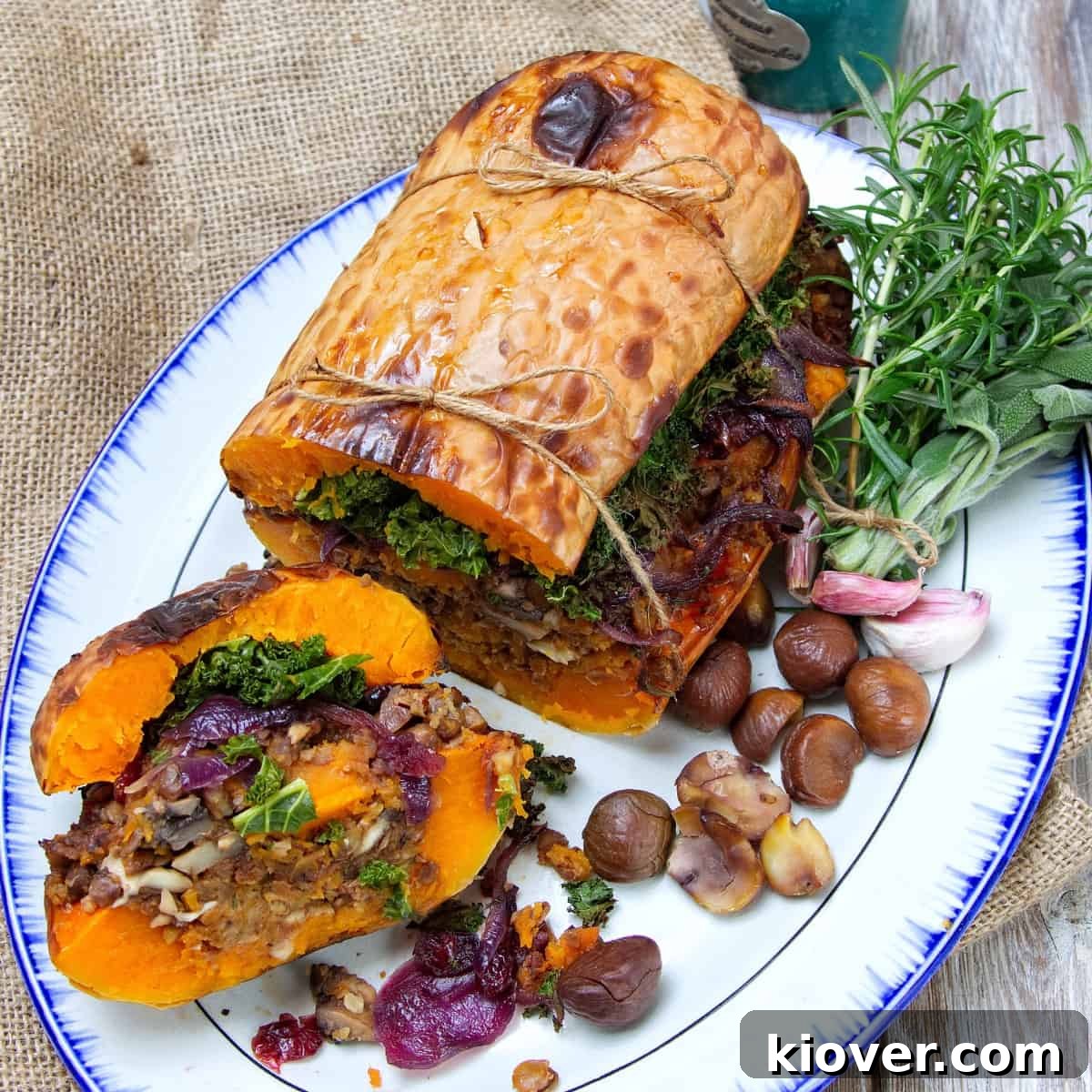
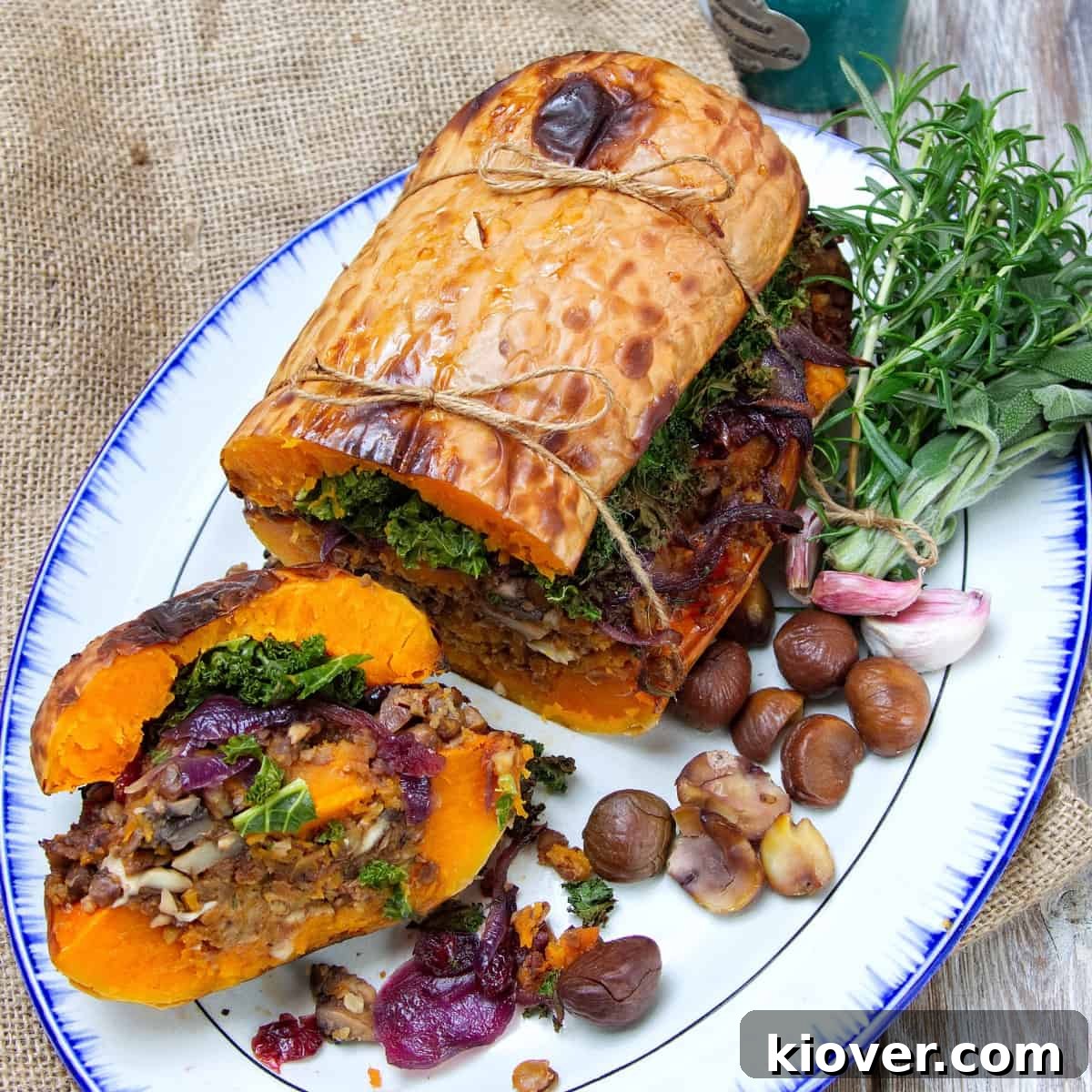
The Ultimate Stuffed Butternut Squash: A Delicious Vegan Holiday Roast
Searching for an unforgettable Stuffed Butternut Squash recipe that will impress everyone at your next gathering? Look no further! This spectacular dish offers a burst of festive flavors, making it the perfect show-stopping vegan roast main for any special occasion, from Thanksgiving to Christmas dinner, or even a sophisticated Sunday lunch. Despite its impressive appearance, this recipe is surprisingly easy to prepare, requiring only about 15 minutes of active prep time before it bakes to golden perfection.
Recipe Difficulty – Easy
Table of Contents
- Why This Recipe Is a Must-Try
- Key Ingredients for Stuffed Butternut Squash
- Simple Substitutions to Suit Your Pantry
- Delicious Variations to Explore
- Step-by-Step Guide: How to Make Stuffed Butternut Squash
- Storing and Enjoying Leftovers
- Frequently Asked Questions
- Detailed Stuffed Butternut Squash Recipe Card
Why This Recipe Is a Must-Try
This exquisite Stuffed Butternut Squash is more than just a meal; it’s a centerpiece. It bursts with rich, savory, and sweet flavors, complemented by vibrant colors that are guaranteed to capture attention at your Christmas dinner, Thanksgiving feast, or any elegant Sunday roast. What truly sets it apart is its surprising simplicity. Despite its gourmet appearance, the preparation process is straightforward, making it accessible even for novice cooks.
It stands out as an ideal vegan Christmas main dish, providing a hearty and satisfying alternative to traditional meat roasts. It also serves beautifully as a generous vegetarian roast dinner, perfect for sharing with family and friends. Imagine a dish that is not only visually stunning but also incredibly wholesome and delicious – this is it! It’s gluten-free, plant-based, and free from refined sugars, making it a healthy choice that doesn’t compromise on taste.
Inspired by the comforting flavors of my Lentil Wellington, this stuffed squash pairs wonderfully with a side of my Homemade Cranberry Sauce or a rich Mushroom Gravy. You are sure to fall in love with this recipe because it is:
- Effortlessly Easy: Minimal hands-on time for maximum flavor.
- Incredibly Delicious: A perfect blend of sweet, savory, and nutty notes.
- Visually Stunning: A vibrant and colorful dish that makes a statement.
- Festively Flavored: Infused with warming spices and seasonal ingredients ideal for holidays.
- Diet-Friendly: Naturally gluten-free, vegan, and refined sugar-free.
- Nutrient-Rich: Packed with wholesome vegetables, nuts, and legumes.
This Stuffed Butternut Squash promises to be a beloved addition to your recipe repertoire, offering both ease and elegance in one delightful package.
Key Ingredients for Stuffed Butternut Squash
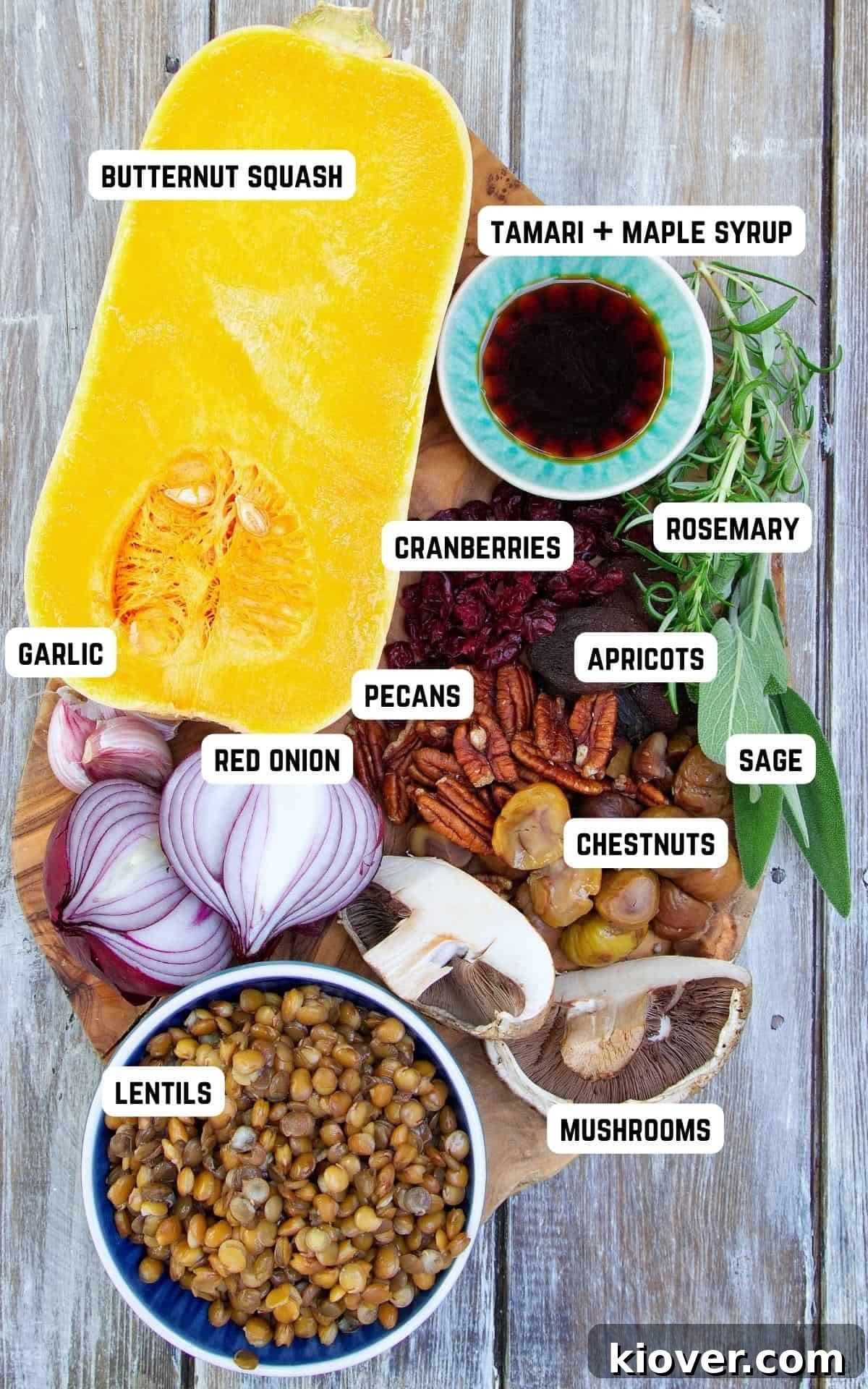
Each ingredient in this recipe plays a vital role in creating a harmonious blend of textures and tastes. Here’s a closer look at what you’ll need and why:
- Butternut Squash: This is the undeniable star of our dish. When roasted, its flesh becomes tender and sweet, developing a beautiful caramelization on the skin. It transforms from a humble vegetable into an impressive vegan Christmas main. If you happen to have extra butternut squash, consider trying my other delicious recipes like Coconut Dhal, Butternut Squash Curry, or a comforting Butternut Squash Soup.
- Tamari: A fantastic gluten-free alternative to traditional soy sauce. It imparts a crucial umami depth to the stuffing, balancing the sweetness and enriching the overall flavor profile.
- Maple Syrup: This natural sweetener adds a wonderful, subtle sweetness to the savory stuffing, perfectly complementing the inherent sweetness of the roasted squash. It also helps in achieving a beautiful glaze on the caramelized onions.
- Dried Cranberries: Beyond their vibrant red color, dried cranberries introduce a delightful tart-sweet burst, adding a festive touch and a chewy texture that contrasts beautifully with the other ingredients.
- Dried Apricots: These provide another layer of natural sweetness and a soft, chewy texture. They contribute to the richness and complexity of the stuffing.
- Pecans: Chopped pecans are essential for creating a “meaty” and hearty texture in the plant-based filling. They also add a rich, buttery flavor and healthy fats.
- Chestnuts: A quintessential ingredient for holiday and vegetarian Christmas recipes. Chestnuts lend a unique, earthy, and slightly sweet flavor, enhancing the festive character of the stuffing. They provide a soft, floury texture.
- Rosemary & Sage: These two fresh herbs are indispensable. Their aromatic, earthy, and slightly peppery notes infuse the entire dish with a deeply satisfying, holiday-inspired flavor that truly elevates the stuffed squash.
- Mushrooms: I typically use chestnut mushrooms for their robust flavor and firm texture, but cremini or button mushrooms would also work well. Mushrooms are key in this vegetarian roast dinner as they provide a savory, umami-rich “meaty” element to the stuffing. Have leftover mushrooms? Try my Vegan Mushroom Risotto.
- Lentils: Cooked lentils are a foundational component of the stuffing, offering a substantial and protein-packed “meatiness” that makes this dish incredibly filling and satisfying. They are a fantastic source of plant-based protein and fiber. If you have extra, use them in my Lentil Wellington.
- Red Onion: Sliced and caramelized, red onions add a sweet and savory depth to the topping, creating an irresistible layer of flavor and texture.
- Kale or Spinach: An optional but highly recommended addition, fresh greens are added at the end for a boost of nutrients, a touch of color, and a slight bitterness that perfectly balances the sweetness of the squash and filling.
Refer to the full recipe card below for precise quantities and additional details on ingredients.
Simple Substitutions to Suit Your Pantry
This recipe is wonderfully adaptable, allowing you to customize it based on what you have on hand or specific dietary needs. Here are some easy substitutions:
- Butternut Squash: If butternut squash isn’t available or you prefer an alternative, a medium-sized pumpkin (such as Hokkaido or Kabocha) can be used following the same roasting and stuffing method. The flavor profile will be slightly different but equally delicious.
- Tamari: For those who don’t require a gluten-free option, regular soy sauce can be used interchangeably with tamari.
- Maple Syrup: Agave syrup is an excellent vegan alternative to maple syrup. If you are not strictly vegan, a good quality runny honey can also be used to provide the desired sweetness.
- Dried Cranberries: Dates or figs, chopped into small pieces, can replace dried cranberries for a similar sweet and chewy element. You can also simply increase the amount of dried apricots.
- Apricots: As mentioned, dates or figs are great swaps for dried apricots, ensuring the filling retains its delightful sweetness and texture.
- Pecans: Walnuts can be used in place of pecans, offering a similar nutty flavor and texture. For a nut-free stuffed squash, simply omit the pecans and chestnuts and increase the amount of mushrooms and lentils to maintain the desired bulk and texture. You could also add sunflower seeds or pumpkin seeds for a slight crunch.
- Chestnuts: If fresh or vacuum-packed chestnuts are hard to find, you can substitute them with an equal amount of additional pecans or walnuts, or even more mushrooms for an earthy depth.
- Lentils: While brown or green lentils work best for their texture, you could experiment with black beans or chickpeas for a different flavor and protein source. Ensure they are cooked and drained well.
Delicious Variations to Explore
Once you’ve mastered the basic recipe, feel free to get creative with these exciting variations:
- Spicy Kick: For those who enjoy a bit of heat, consider adding a pinch of chili pepper flakes to the stuffing mixture while it cooks. A finely diced jalapeño or a dash of hot sauce could also work. However, the original recipe is crafted to highlight the natural sweetness and savory herbs, so it’s equally delicious without the spice.
- Deluxe Holiday Feast: Elevate your stuffed butternut squash into an unforgettable banquet by serving it alongside other festive favorites. My Rosemary Roast Potatoes and Smashed Brussels Sprouts are perfect companions, creating a truly magnificent vegetarian or vegan roast dinner that will impress even the most discerning palate. Don’t forget a generous drizzle of Mushroom Gravy!
- Kid-Friendly Adaptation: This recipe is naturally appealing to children due to its sweet and savory balance. To make it even more kid-friendly, ensure the nuts are very finely pulsed (or omitted for allergy concerns) and the herbs are well integrated. It’s an excellent way to introduce a variety of vegetables and plant-based proteins into their diet in a delicious and fun format. You can also offer a mild, creamy dipping sauce on the side.
- Mediterranean Twist: Add sun-dried tomatoes, Kalamata olives, and a sprinkle of dried oregano to the stuffing for a savory Mediterranean-inspired flavor.
- Apple & Sage Delight: Incorporate finely diced apples into the stuffing with the sage for an extra layer of sweetness and autumnal flavor.
- Smoky Flavor: A hint of smoked paprika or a dash of liquid smoke can add a lovely smoky depth to the filling, especially if you enjoy that barbecue-inspired note.
Step-by-Step Guide: How to Make Stuffed Butternut Squash
Crafting this elegant Stuffed Butternut Squash is a rewarding experience, broken down into simple, manageable steps. Follow these instructions for a perfect result every time:

Step 1: Roast the Squash. Begin by preheating your oven to 200°C (400°F). Carefully slice a large butternut squash in half lengthwise. Scoop out the seeds and fibrous strands. Place the squash halves cut-side up on a baking tray. You can lightly brush the cut surfaces with a little oil and season with salt and pepper if desired. Roast in the preheated oven for approximately 45 minutes, or until the flesh is tender when pierced with a fork.
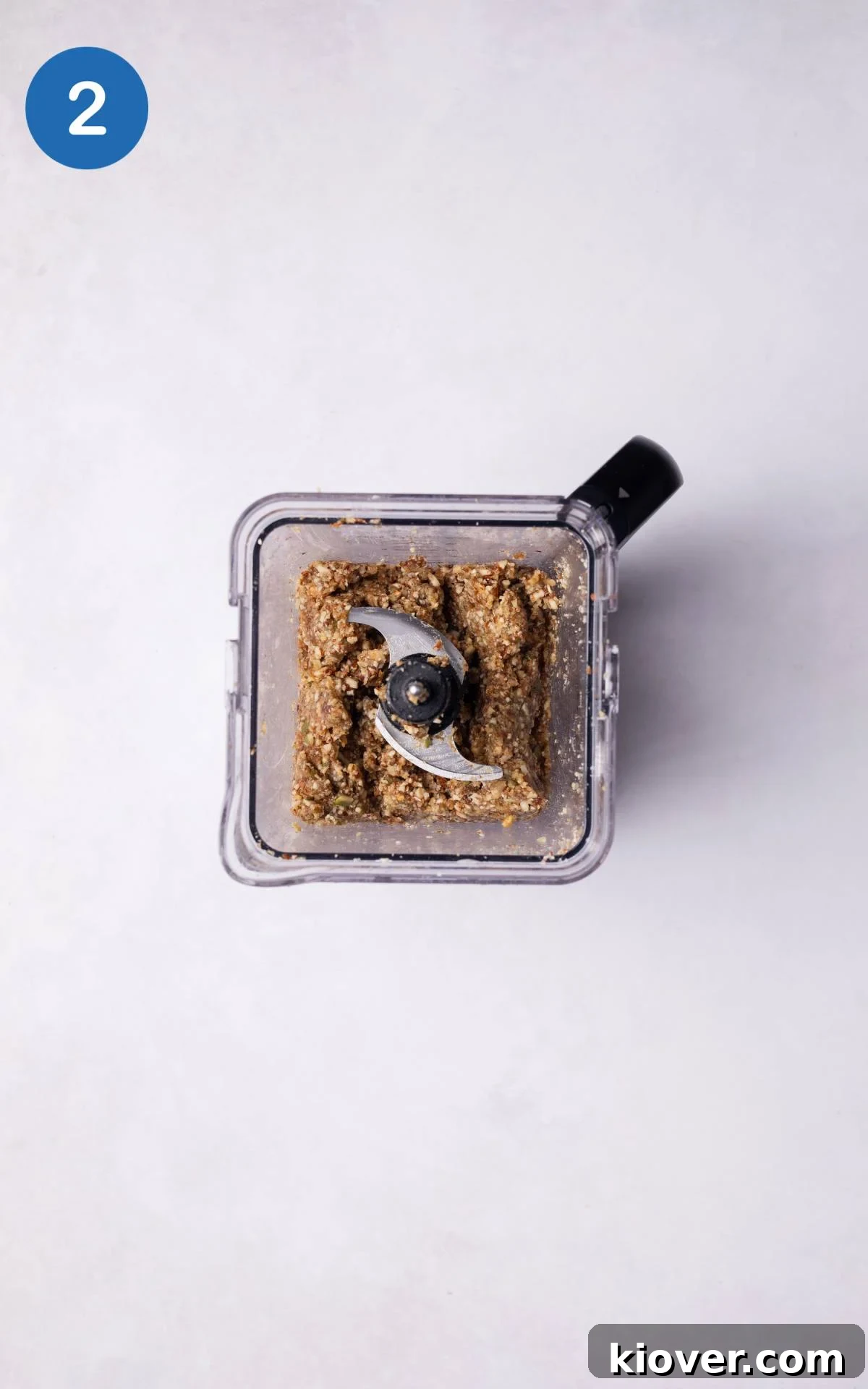
Step 2: Prepare the Nut & Apricot Base. While the butternut squash is roasting, prepare the flavorful base for your stuffing. Add the vacuum-packed chestnuts, pecans, and dried apricots to a food processor. Pulse the mixture until it forms coarse crumbs. Be careful not to over-process, as you want a textured filling, not a paste.
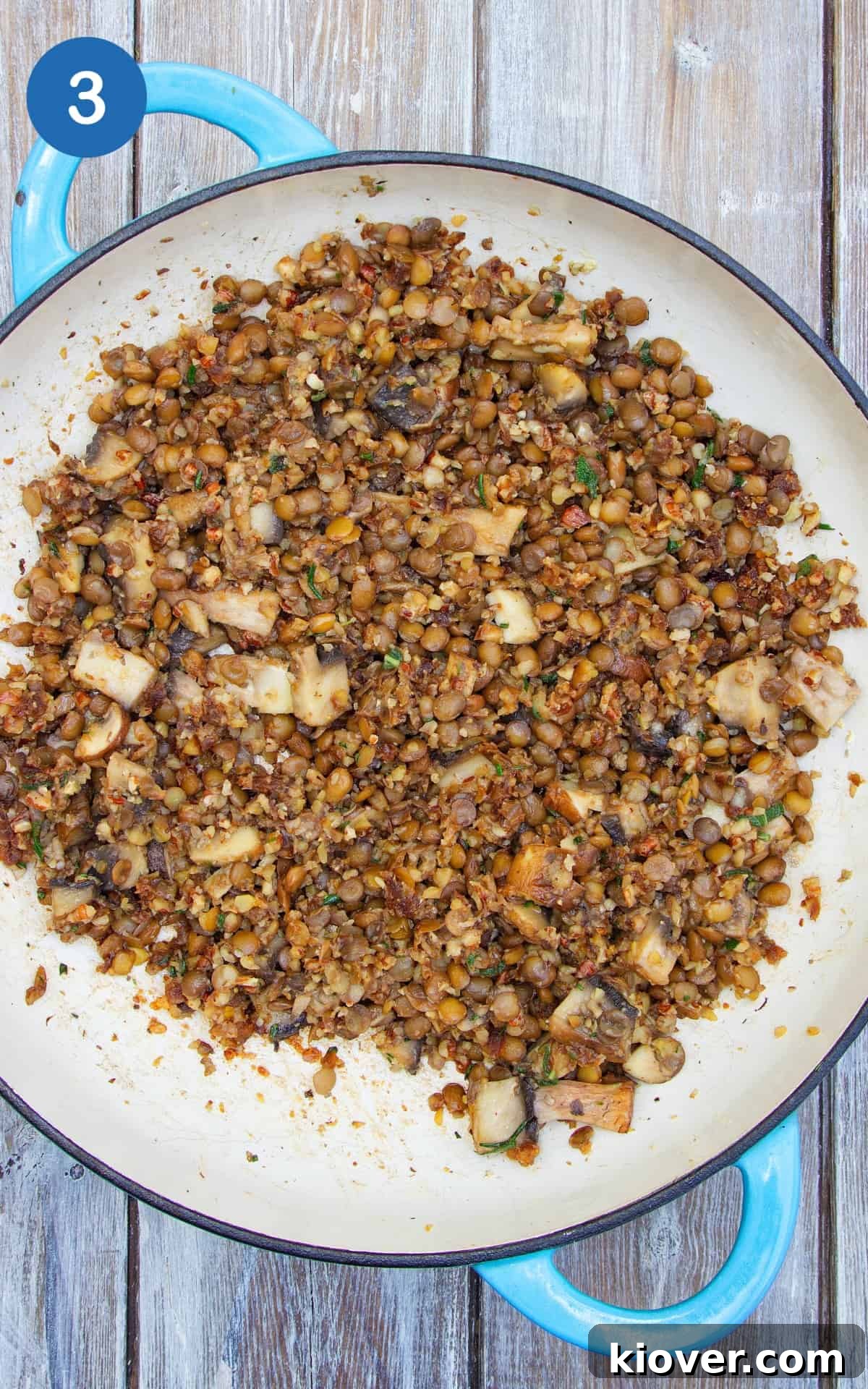
Step 3: Cook the Savory Filling. Heat 2 tablespoons of oil in a large pan or skillet over medium heat. Add the crushed garlic, chopped mushrooms, finely chopped fresh rosemary, and sage. Season with a pinch of salt and black pepper. Sauté for a couple of minutes until the mushrooms begin to soften and release their moisture. Next, stir in the drained and rinsed cooked lentils, tamari, and the prepared nut and apricot crumbs. Cook this mixture together for another 5 minutes, allowing the flavors to meld beautifully. Meanwhile, in a separate small pan, gently sweat down the sliced red onion for a few minutes. Add 2 tablespoons of maple syrup and the dried cranberries, cooking for a further 5 minutes until the onions are caramelized and tender.
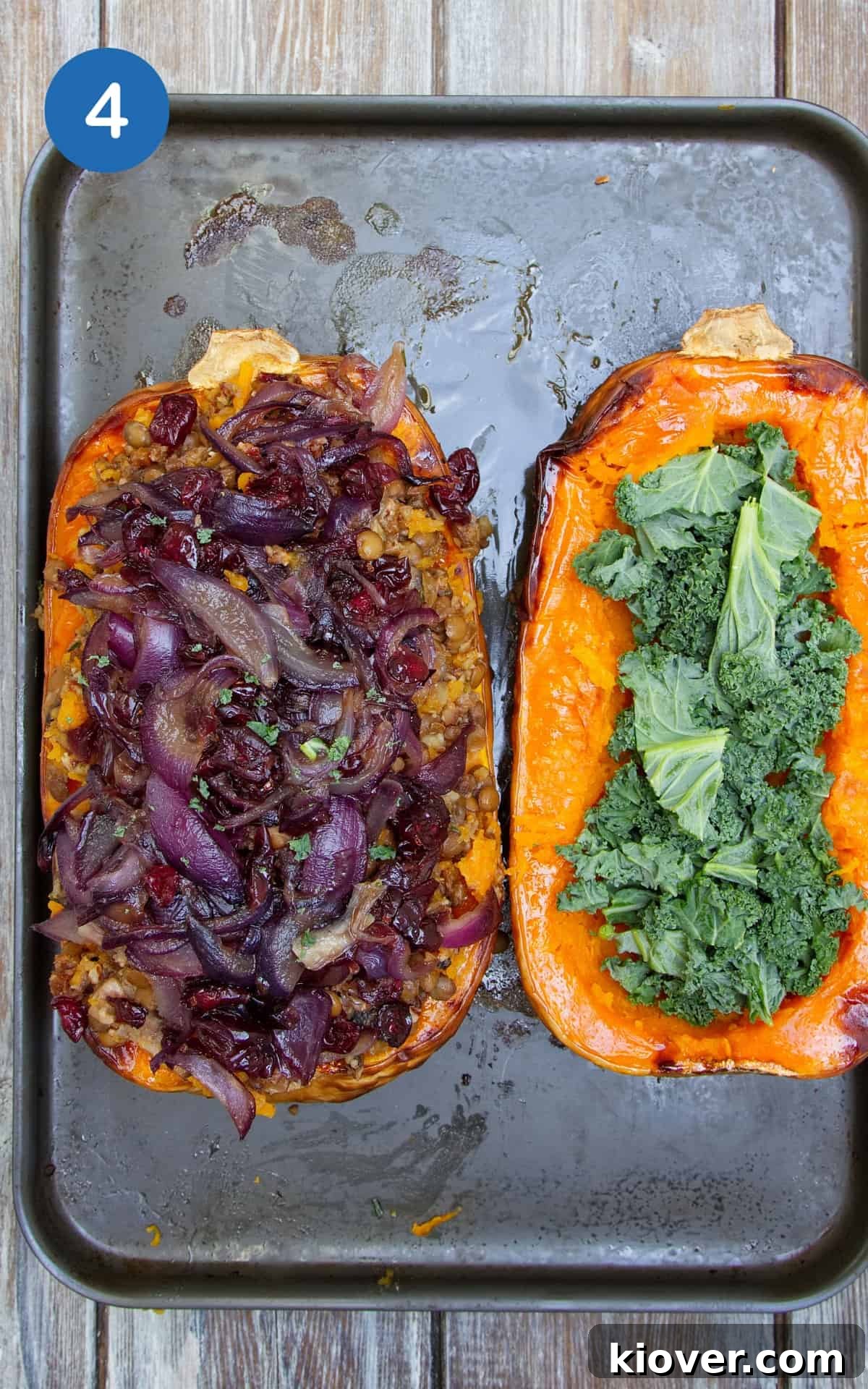
Step 4: Stuff and Final Bake. Once the butternut squash is roasted and tender, carefully remove it from the oven. Using a spoon, scoop out a generous amount of the softened flesh from where the seeds were, creating an even cavity in both halves. Make sure to leave enough squash flesh around the edges to maintain the structural integrity. Add the scooped-out squash flesh to the lentil stuffing mixture and gently mix to combine. Now, generously fill each squash half with the prepared lentil stuffing. Top the filling with the caramelized onions and cranberries, and a handful of fresh kale or spinach (if using). Carefully place the two stuffed squash halves back together, creating a whole, stuffed squash. To help it hold its shape during the final bake, you can carefully tie kitchen string around the squash, pulling it tight. Return the stuffed squash to the oven for a final 15 minutes at 200°C (400°F) to ensure it’s heated through and the flavors have fully melded.
Hint: While tying the squash with string helps it maintain its elegant shape, it’s not absolutely essential for the success of the recipe. If you don’t have string, the halves can simply be placed snugly together on the baking tray.
Storing and Enjoying Leftovers
This Stuffed Butternut Squash recipe is truly at its peak when served fresh, straight out of the oven. The textures are perfect, and the aromas are intoxicating. However, its robust flavors mean it also makes fantastic leftovers. You can easily prepare the squash and stuffing in advance, then assemble and roast it closer to serving time for maximum freshness.
Should you have any leftovers, allow the squash to cool completely before storing. Slice any remaining portions and place them in an airtight container. They will keep well in the refrigerator for up to 3 days. To reheat, you can gently warm slices in the oven at a moderate temperature (around 160°C/325°F) until heated through, or briefly in the microwave. The skin might lose some of its crispiness upon reheating, but the flavors will remain delicious.
Freezing Advice: I do not recommend freezing this particular recipe. The texture of the butternut squash and the stuffing, especially the nuts and lentils, can become somewhat compromised upon thawing, leading to a less enjoyable experience.
Frequently Asked Questions
The most effective way to stuff a butternut squash is to roast it first. This process softens the internal flesh, making it easy to scoop out a portion to create space for the delicious filling. The scooped-out flesh can then be incorporated into the stuffing itself, adding even more flavor and ensuring no part goes to waste.
Absolutely! In fact, the roasted skin is one of my favorite parts. When baked, butternut squash skin caramelizes and crisps up, becoming wonderfully tender and packed with flavor and nutrients. It adds a delicious textural contrast to the soft filling, making this a truly wholesome and enjoyable main dish.
This Stuffed Butternut Squash is undoubtedly a show-stopper and will provide that “wow” factor when you present it at your holiday table. Its festive flavors and elegant presentation make it a top choice. Other personal favorites for a celebratory plant-based main include a hearty Lentil Wellington or a classic Nut Roast.
YOU MIGHT ALSO LIKE…
More Delicious Plant-Based Recipes
Dinner
Butternut Squash and Chickpea Curry
Lunch
Pumpkin and Butternut Soup
Dinner
Christmas Nut Roast
Dips/Sauces
Homemade Cranberry Sauce
Tried this Stuffed Butternut Squash recipe? Please leave a star rating ⭐️⭐️⭐️⭐️⭐️ below and let me know how you get on. Your positive feedback is one of the best parts of creating and sharing recipes, so please take a moment to review it and leave a comment! It helps others discover and enjoy this fantastic dish.
P.S. Never miss a new recipe! Get more healthy, plant-based recipes sent straight to your inbox weekly – Subscribe to my newsletter and receive a free recipe eBook as a welcome gift!
Print Recipe
Stuffed Butternut Squash
Ingredients
- 1 large butternut squash
- 100 g chestnuts, vacuum packed
- 50 g pecans
- 50 g dried apricots
- 150 g mushrooms, chopped
- 2 garlic cloves, crushed
- 1 sprig rosemary, finely chopped
- 3 sage leaves, chopped
- 1 can cooked lentils, drained and rinsed
- 1 tbsp tamari
- 1 red onion, sliced
- 2 tbsp maple syrup
- 2 tbsp dried cranberries
- Handful of kale or spinach, optional
- Kitchen string (to tie the squash for roasting, optional)
Instructions
-
Preheat your oven to 200°C (400°F). Carefully slice a large butternut squash down the middle lengthwise. Scoop out the seeds and place the halves cut-side up on a baking tray. Place in the oven to roast for 45 minutes at 200°C (400°F) until tender.
-
Meanwhile, prepare the nut and fruit base for your stuffing. To a blender or food processor, add the vacuum-packed chestnuts, pecans, and dried apricots. Pulse until they form coarse crumbs, ensuring not to over-process into a paste.
-
In a large pan, heat 2 tablespoons of oil over medium heat. Add the crushed garlic, chopped mushrooms, finely chopped fresh rosemary, and sage. Season with a pinch of salt and pepper. Cook for a couple of minutes until the mushrooms soften. Now, add the drained and rinsed cooked lentils, tamari, and the blended nut mixture. Stir well and cook together for 5 minutes, allowing the flavors to combine.
-
In a separate small pan, add the sliced red onion and sweat down for a couple of minutes over medium heat. Then, add 2 tablespoons of maple syrup and the dried cranberries. Continue to cook for a further 5 minutes until the onions are soft and caramelized.
-
Once the squash is roasted and tender, carefully scoop out the seeds with a spoon and discard them. Then, scoop out some of the softened squash flesh from both halves, creating an even cavity for the stuffing. Add this scooped squash flesh directly into the lentil stuffing mixture and mix thoroughly to combine.
-
Generously stuff both halves of the butternut squash with the lentil filling. Top the filling with the caramelized onions and cranberries, and a handful of fresh kale or spinach (if using). Carefully bring the two stuffed halves together to form a whole squash. If desired, carefully tie kitchen string around the squash to help it hold its shape during baking. Place the stuffed squash back in the oven for an additional 15 minutes at 200°C (400°F) to ensure it is thoroughly heated through and the flavors are fully integrated. Serve hot and enjoy!
Notes
Substitutions & Variations: A comprehensive list of ingredient substitutions and exciting variations to customize this recipe can be found in the sections above. Feel free to experiment!
To Store: This Stuffed Butternut Squash is at its best when enjoyed freshly baked. However, any leftovers can be stored. Allow the squash to cool completely, then slice into portions and place in an airtight container in the refrigerator for up to 3 days. Reheat gently in the oven or microwave.
To Freeze: Freezing this recipe is not recommended, as it can affect the texture of the squash and the filling upon thawing.
Tip 1: Safety first! Always use a sharp, sturdy knife when carefully slicing the butternut squash down the middle to prevent accidents.
Tip 2: Using kitchen string to tie the stuffed squash halves together is optional but highly recommended. It helps the squash maintain its beautiful shape during the final baking stage, creating a more impressive presentation.
Tip 3: If you’re not a fan of butternut squash or simply want to try something different, this recipe works wonderfully with a medium-sized pumpkin (like a Hokkaido or Kabocha) instead.