
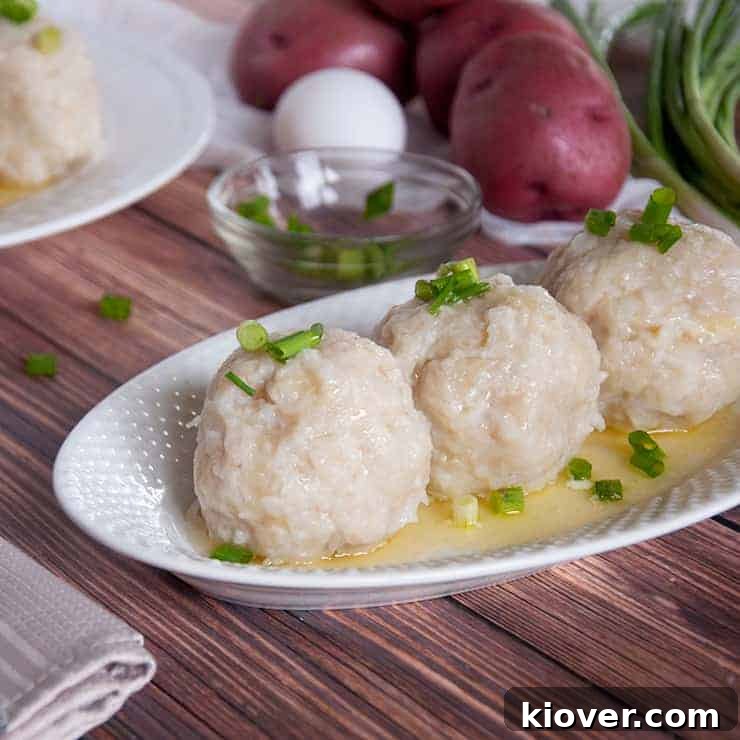
Scandinavian comfort food holds a special place in the hearts and homes of many, and few dishes embody this spirit quite like the humble yet hearty potato dumpling. Known by a delightful array of names across the Nordic region – Pault, Pult, Klubb, Klub, Korppkakor, Raspeball, kumle, komle, kompe, and potetball – these savory delights share a common thread: they are the essence of traditional, satisfying flavors. This definitive Klubb Recipe serves as your guide to mastering these cherished Norwegian Potato Dumplings, a dish often celebrated as a Norwegian holiday favorite and a cornerstone of countless family traditions. Dive with us into the rich culinary heritage of Scandinavia and discover the warmth and comfort of Klubb.
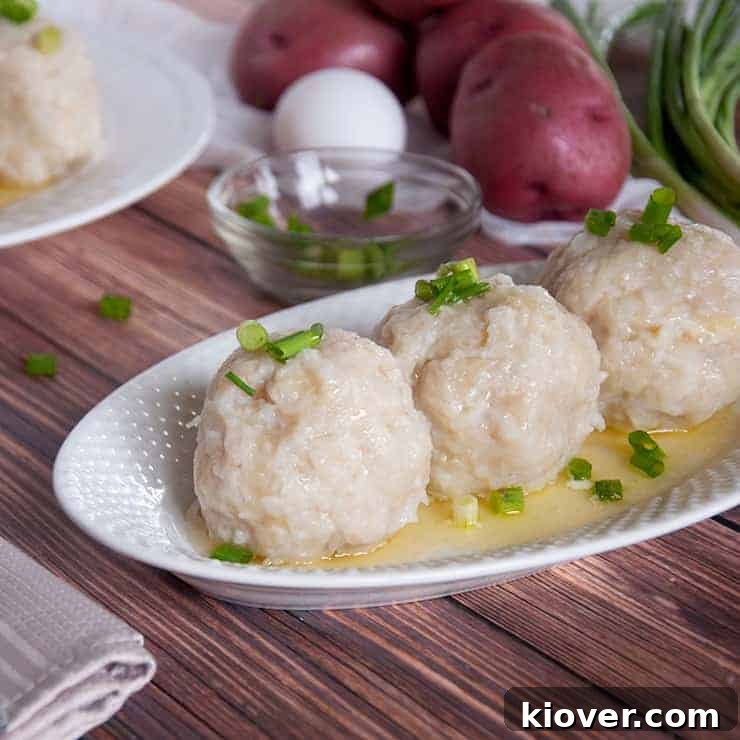
In the vast world of heritage recipes, few journeys are as rewarding as exploring the comfort foods that have nourished generations. Following our deep dive into dishes like Knoephla Soup, we now embark on a culinary voyage from Germany to the picturesque landscapes of Norway. Our destination? Klubb, a traditional Norwegian potato dumpling, often lovingly prepared with a savory meat filling. This dish is not just food; it’s a hearty, intriguing, and utterly delicious experience, embodying the soul of Norwegian home cooking. Join us as we uncover the secrets to crafting perfect Klubb, a true testament to Scandinavian comfort.
Unveiling Klubb Dumplings: A Hearty Norwegian Tradition
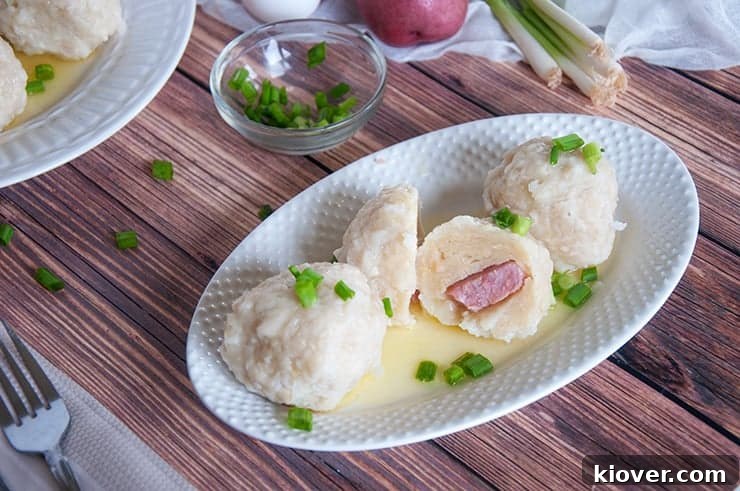
At its core, Klubb is a quintessential Norwegian dumpling, yet its simplicity belies a depth of flavor and satisfaction. The outer shell of these robust dumplings is crafted from a clever mixture of finely shredded potatoes and flour, forming a dense, pliable dough. But the true heart of Klubb lies within: a generous piece of salted pork, nestled securely in the center. While pork is the most traditional choice, often a result of historical preservation methods, other cured meats work wonderfully. Through experimentation, I’ve found that a good quality ham also yields excellent results, offering a slightly milder, yet equally savory, counterpoint to the earthy potato.
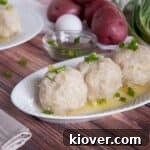
These aren’t your average light and airy dumplings; Klubb are substantial, dense, and incredibly filling. They are typically made quite large, providing a satisfying meal in themselves. Imagine them roughly the size of an extra-large meatball, or perhaps slightly smaller than a racquetball – a testament to their hearty nature. Each bite of a perfectly cooked Klubb offers a delightful combination of soft, starchy potato and the rich, salty burst of pork, making them a truly unforgettable culinary experience. They are, without a doubt, tasty little suckers that will leave you feeling deeply nourished.
The Many Aliases of Scandinavian Potato Dumplings
While I’ve come to know and love this dish primarily as Klubb, its rich history extends across the Scandinavian peninsula, giving rise to a fascinating tapestry of names and regional variations. What we call Klubb in one area might be known as Pault or Pult in others, particularly in parts influenced by Swedish traditions. Korppkakor is another name you might encounter, while Raspeball, kumle, komle, kompe, and potetball are all common monikers found throughout various regions of Norway. This diversity in nomenclature highlights the dish’s widespread appeal and deep cultural roots.
Despite the different names, the core concept remains remarkably consistent: a dense potato dumpling, often filled with meat, and always simmered to perfection. This culinary commonality speaks volumes about the shared heritage and ingenuity of Scandinavian home cooks who transformed humble potatoes into a staple comfort food. Each region may have its subtle tweaks to the recipe – perhaps a different type of potato, a varying flour-to-potato ratio, or a specific cut of pork – but the spirit of the dish, its heartwarming and filling nature, remains universally cherished.
Mastering the Klubb Dough: A Journey of Patience and Practice
My initial attempts at making Klubb were, to be frank, a series of culinary misadventures. I found myself repeatedly with a dough that was more akin to a batter, leading to frustrating moments where the pork-filled dumplings disintegrated in the simmering water. I also experimented with various shred sizes for the potatoes, encountering similar vexations. It took persistence, and a good deal of trial and error, but eventually, the secret to the perfect Klubb dough revealed itself.
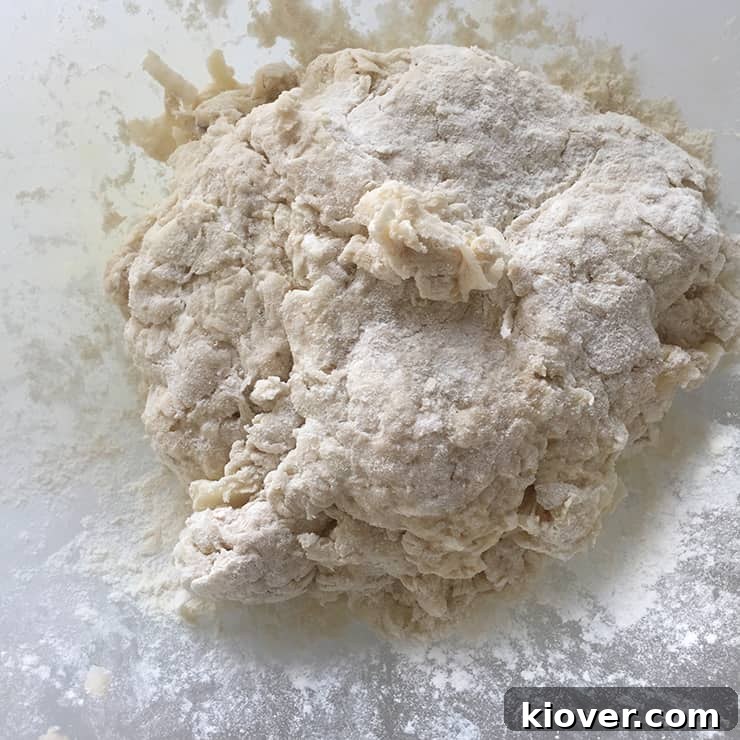
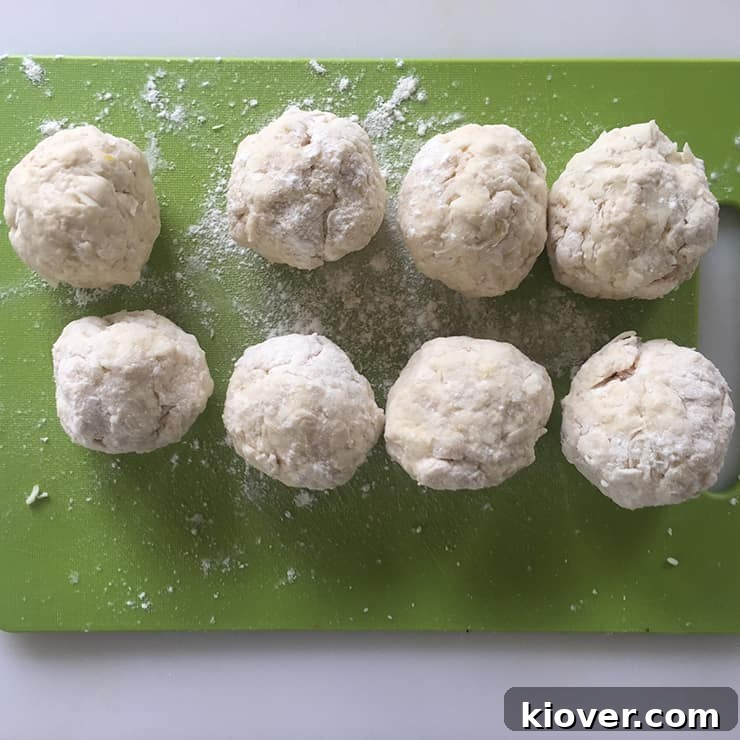
The key lies in achieving the right consistency: the dumpling dough should be firm and dense, much like an unrisen bread or pizza dough. It needs to possess enough structural integrity to withstand a substantial simmering period of 30-45 minutes without falling apart. My breakthrough came when I started with my shredded potatoes and eggs, gradually incorporating flour until a truly manageable dough formed. The mixing and kneading process should continue until the dough feels pliable and firm, mirroring the resilience of a well-worked bread dough. A reliable starting ratio I discovered was approximately four medium-sized potatoes to three cups of flour. However, it’s crucial to treat this as a guideline; don’t hesitate to add more flour if the dough feels too wet or sticky. The goal is a dough that holds its shape, is easy to work with, and promises a robust dumpling.
The Art of Simmering: Perfecting Klubb on the Stove
Simmering Klubb dumplings might seem straightforward, but a few crucial considerations will elevate your results from good to exceptional. The success of your Klubb hinges significantly on how you manage them in the pot. First and foremost, always use a large pot. These substantial dumplings require ample space to cook evenly and prevent them from crowding, which can lead to uneven cooking and sticking.
Secondly, generous seasoning of your simmering water is paramount. Adding a substantial amount of salt to the water not only infuses the dumplings with flavor from the outside but also contributes to their overall seasoning profile. Think of it like cooking pasta – well-salted water makes all the difference.
Finally, and perhaps most critically, mastering the art of stirring these dumplings is essential. There’s a delicate balance to strike. Klubb dumplings have a natural tendency to stick to the bottom of the pot, which must be prevented. However, too much aggressive stirring can agitate them, causing them to break apart before they’re fully cooked. To navigate this challenge, I recommend dropping the formed dumplings into the hard simmering water and allowing them to cook undisturbed for about five minutes. After this initial period, carefully use a large metal spoon or spatula to gently loosen any dumplings that may have settled or stuck to the bottom. Work with precision and care to ensure they remain intact while freeing them from the pot’s surface. Once the first 10 minutes have passed, the dumplings generally become more robust and are in a much “safer zone,” but continued vigilance will guarantee perfectly formed, delicious Klubb.
Serving Klubb: Simple Elegance and Savory Delight
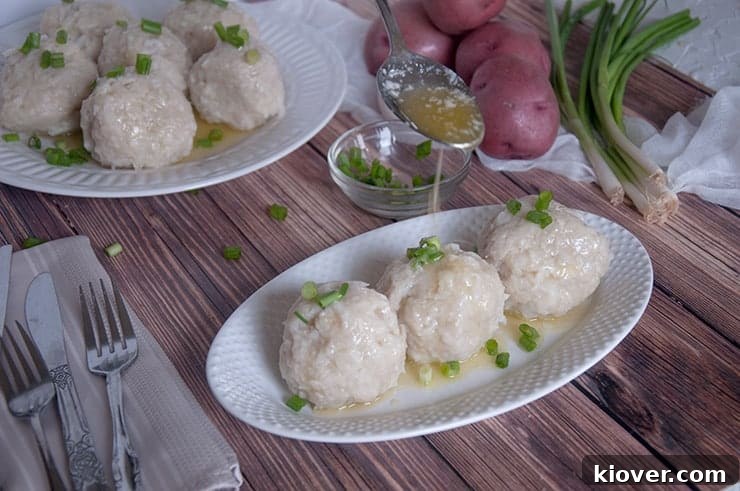
The beauty of Klubb often lies in its straightforward accompaniments, which perfectly complement its hearty, earthy flavors. You truly don’t need an elaborate spread to enjoy these dumplings to their fullest. The traditional serving suggestion is wonderfully simple yet incredibly satisfying: a generous drizzle of melted butter, a sprinkle of freshly chopped green onions, and a dash of salt and pepper to taste. The rich, golden melted butter soaks into the dense potato, enhancing its flavor and providing a luxurious mouthfeel. The green onions offer a delicate, fresh bite and a pop of color, while the seasoning brings out the inherent deliciousness of both the potato and the savory pork filling. It’s a filling, comforting meal that truly allows the dumplings themselves to shine as the star of the plate. You might also consider a side of lingonberry jam for a classic Scandinavian sweet-tart contrast or a sprinkle of crispy, pan-fried bacon bits for an extra layer of savory richness.
Leftovers Reimagined: A Klubb for Every Meal
One of the most delightful aspects of Klubb is how incredibly versatile its leftovers can be. My father-in-law shared a cherished family memory of his mother serving these dumplings for breakfast the day after they were made. Her method was simple yet brilliant: chop the leftover Klubb into bite-sized pieces, fry them in butter until golden and slightly crispy, and then serve them with a generous pour of syrup. Intrigued, my family and I tried this very method, and I can unequivocally say, “Leftovers RULE!” The transformation from a dense, boiled dumpling to a buttery, caramelized breakfast treat is truly remarkable. It’s a new tradition worth adopting and a fantastic way to extend the enjoyment of your Klubb batch.
While syrup offers a wonderfully classic sweetness, my mind immediately began to wander to other flavor possibilities. The firm, fried potato pieces could be an incredible canvas for more adventurous profiles. Imagine them tossed with a savory Asian spice blend – perhaps a drizzle of soy sauce, a hint of ginger and garlic, or a kick from Sriracha or Sambal Oelek. The robust texture of the Klubb would stand up beautifully to these bold flavors, creating a fusion dish that’s both comforting and exciting. The possibilities are endless, and there’s so much deliciousness to explore. Prepare to expand your belt notches, because these leftovers are too good to resist!
From the hearty embrace of Knoephle soup to the comforting depths of Klubb, exploring heritage recipes is a journey of discovery and connection. I hope this detailed guide inspires you to try making these authentic Norwegian potato dumplings in your own kitchen. There’s immense joy in recreating traditional dishes that carry generations of stories and flavors. Thank you for joining me on this culinary adventure. If you appreciate our explorations into global comfort food, please consider subscribing to my email list, following me on Instagram, and following me on Pinterest to stay updated on new recipes and culinary insights. Your support helps us continue sharing these wonderful traditions!
Essential Tools for Your Klubb Kitchen
- Large Stock Pot: Crucial for providing ample space for your dumplings to simmer without crowding.
- Slotted Metal Spoon: Perfect for carefully removing cooked dumplings from the water and gently loosening them during cooking.
Print Recipe
Klubb Recipe – Classic Norwegian Potato Dumplings
5 Stars 4 Stars 3 Stars 2 Stars 1 Star
4.9 from 39 reviews
Author: Ben Myhre
Prep Time: 15 minutes
Cook Time: 45 minutes
Total Time: 1 hour
Yield: 8-12 dumplings
Category: Dumplings, Main Dish
Method: Simmer
Cuisine: Norwegian, Scandinavian
Description
These Norwegian Klubb Dumplings are a truly satisfying, filling, and delicious way to celebrate Scandinavian comfort food. Perfect for a traditional holiday meal or a cozy weeknight dinner, these savory potato dumplings are well worth the effort and will become a beloved family favorite.
Ingredients
Units
Scale
- 4 medium russet potatoes, peeled and shredded
- 3 cups all-purpose flour
- 1 teaspoon salt
- 1 large egg
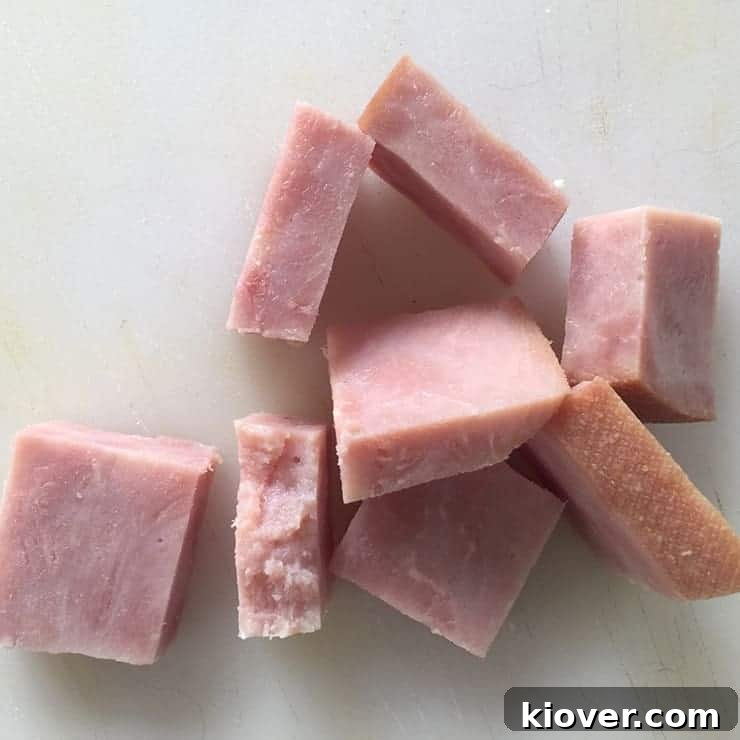
- Approximately 4 ounces cooked ham or other cooked, salted pork, cut into 8-12 cubes
- 5 Tablespoons melted butter (for serving)
- Salt and freshly ground black pepper to taste
- Optional: Freshly chopped green onions (for serving)
Instructions
- Begin by bringing a large pot of generously salted water to a rolling simmer. Ensure there’s plenty of water to accommodate the dumplings without crowding.
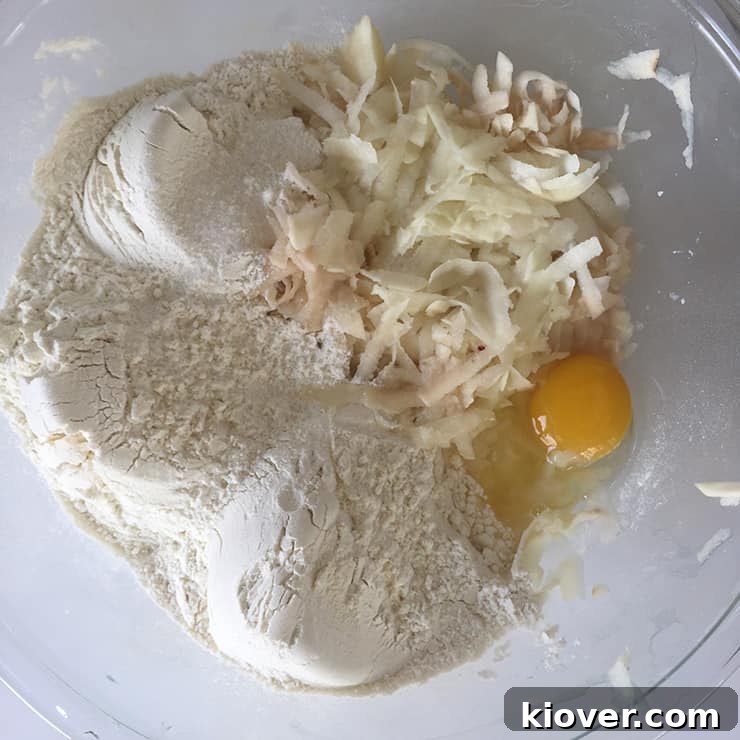
- While the water is heating, prepare your potatoes. Peel and finely shred the medium russet potatoes. Place the shredded potatoes into a large mixing bowl.
- To the bowl of shredded potatoes, add the flour, a teaspoon of salt, and the large egg.
- Mix and knead the ingredients thoroughly until a firm, cohesive dough forms. The consistency should be similar to a stiff bread or pizza dough. If the dough feels too wet or sticky, add more flour, one tablespoon at a time, until it reaches the desired firm texture.
- Take a portion of the potato dough and carefully wrap it around one cube of cooked ham (or other salted pork). Form each into a round dumpling, approximately the size of a large meatball. You should yield between 8 to 12 dumplings, depending on their size.
- Gently drop the formed dumplings into the simmering water. Allow them to cook for the initial five minutes without stirring. After this time, using a large slotted metal spoon or spatula, carefully loosen any dumplings that may have stuck to the bottom of the pot. Continue to simmer for a total of 45 minutes, ensuring the water maintains a gentle simmer and the dumplings are not sticking.
- Once cooked, remove the Klubb dumplings from the water using a slotted spoon. Serve immediately with a generous drizzle of melted butter, and season with additional salt and freshly ground black pepper to taste. Garnish with freshly chopped green onions if desired.
Notes
- For the best results, I highly recommend using Russet potatoes due to their high starch content, which helps bind the dumplings. Yukon Gold potatoes can also work well. While other potato varieties might be attempted, be aware that results may vary in terms of texture and binding.
- Leftover Klubb can be chopped, fried in butter until golden, and served with syrup for a unique breakfast treat, or seasoned with Asian spices for a savory twist.