

Prepare to create the Best Mashed Potatoes you’ve ever tasted. This comprehensive recipe promises to deliver a bowl of incredibly creamy, impossibly fluffy, and utterly perfect mashed potatoes that will become a staple in your culinary repertoire. Forget about lumpy, dry, or bland results – we’re embarking on a journey to mashed potato perfection.
While the quality of ingredients is paramount for this iconic potato dish, the right equipment and precise technique are equally vital. This detailed guide will walk you through every step of this mouthwatering mashed potato recipe, ensuring that you achieve a serving bowl brimming with the most wonderfully simple yet profoundly satisfying mashed potatoes. Get ready to impress your family and friends with a side dish that steals the show.
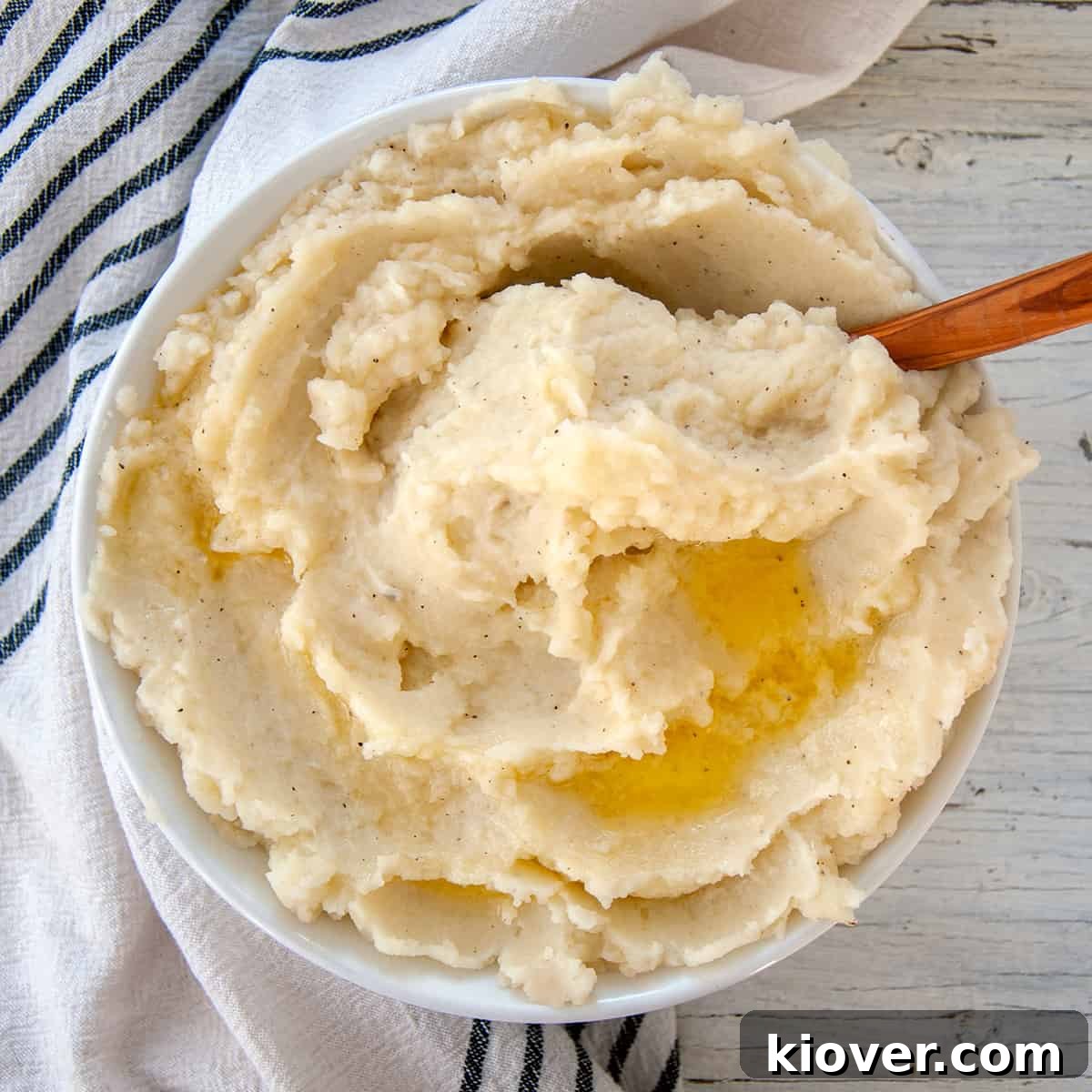
🌟 Why This Creamy Mashed Potato Recipe Stands Out
Imagine your holiday table—Christmas, Thanksgiving, or Easter—without a generous serving of mashed potatoes. Unthinkable, right? But why settle for just “good” when you can serve the absolute best? This recipe transcends the ordinary, transforming humble potatoes into a truly extraordinary side dish that will elicit rave reviews from everyone at your table. It’s more than just a basic mashed potato recipe; it’s a masterclass in achieving ideal texture and flavor.
What sets this recipe apart is its unwavering commitment to perfection: absolutely no lumps, unparalleled creaminess, and a flavor profile that complements any main course without overpowering it. This simple yet sophisticated approach ensures your holiday meal is unforgettable, elevating every bite. And don’t reserve this culinary delight just for special occasions! This recipe is easy and quick enough to whip up for a regular weeknight dinner, proving that exceptional flavor doesn’t require extensive effort.
Our ultimate goal with this guide is to arm you with the knowledge and techniques to create the best, most basic, and flawlessly executed mashed potatoes possible. By carefully selecting our ingredients, meticulously following each step, and utilizing the right equipment, you are guaranteed to produce a truly magnificent dish of potatoes every single time.
These fluffy, creamy mashed potatoes serve as an ideal accompaniment to a wide range of entrees. Picture them alongside our Succulent Sous Vide Prime Rib with Horseradish Sauce, complementing the robust flavors of this Hearty Spicy Italian Meatloaf, or pairing perfectly with a Perfectly Grilled Steak. No matter the main event, these mashed potatoes promise to be a delightful indulgence. Treat yourself and your loved ones to this comforting classic.
Table of Contents
- 🌟 Why This Creamy Mashed Potato Recipe Stands Out
- 🥔 Essential Ingredients for Perfect Mashed Potatoes
- 🍲 Step-by-Step Instructions for Lump-Free Mashed Potatoes
- 🤷 Creative Substitutions and Flavor Variations
- 📦 Storing and Reheating Your Mashed Potatoes
- 🎓 A Brief History of Mashed Potatoes
- ❓ Frequently Asked Questions About Mashed Potatoes
- 📝 Pro Tips and Tricks for Mashed Potato Mastery
- 🛠 Recommended Kitchen Tools for This Recipe
- 😋 Share Your Mashed Potato Masterpiece!
- Best Mashed Potatoes with NO LUMPS Recipe
🥔 Essential Ingredients for Perfect Mashed Potatoes
The star of the show is, of course, potatoes. While this recipe boasts a surprisingly short ingredient list, each component plays a crucial role in achieving that coveted creamy, fluffy texture and rich flavor. Here’s a closer look at what you’ll need to create culinary magic:
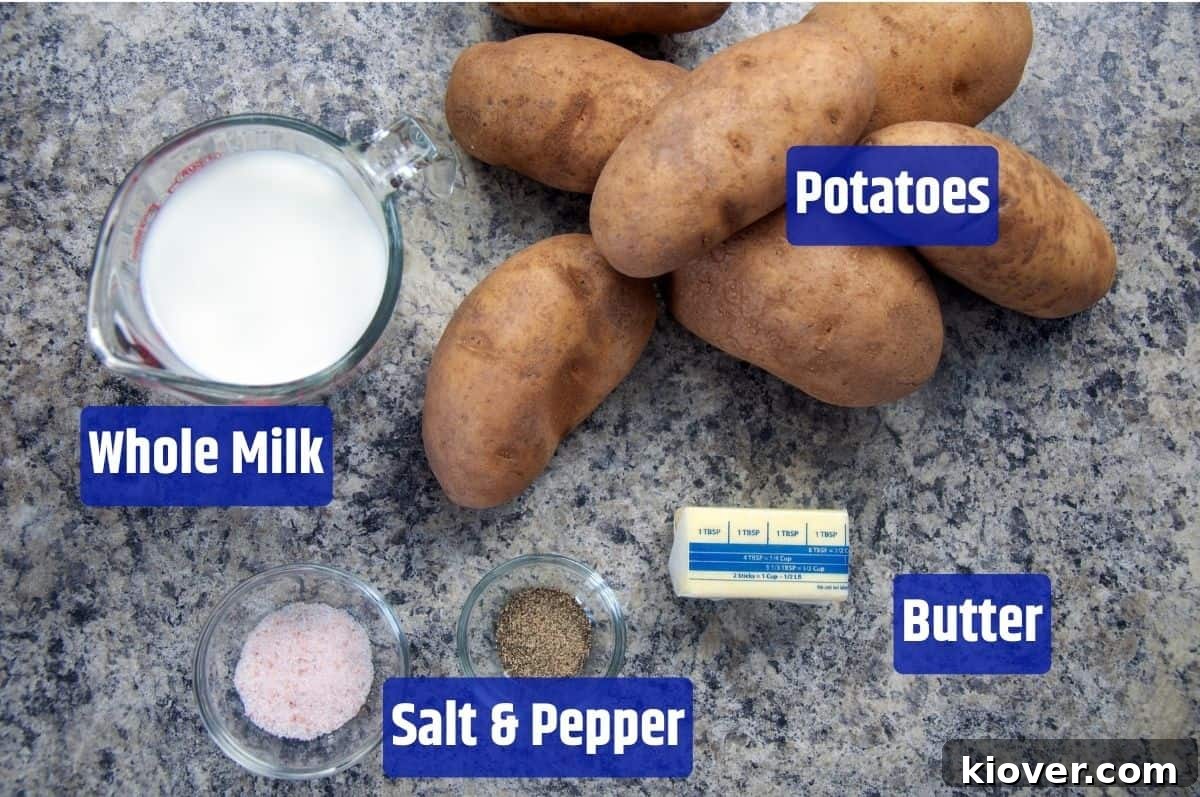
- Russet Potatoes: The backbone of our fluffy mashed potatoes.
- Whole Milk: For unparalleled creaminess and richness.
- Unsalted Butter: The essential flavor enhancer, softened.
- Salt: To bring out the natural deliciousness of the potatoes.
- Black Pepper: For a subtle, aromatic warmth.
For precise quantities, please refer to the detailed recipe card below.
Choosing the Right Potatoes: Russet vs. Yukon Gold
When aiming for perfectly fluffy mashed potatoes, the type of potato you select makes a world of difference. Our top recommendation, and my personal preference, is the Russet potato. These widely available and affordably priced potatoes are renowned for their high starch content and low moisture, which are the secret to that light, airy, and fluffy texture we crave in mashed potatoes. When cooked, Russets break down beautifully, absorbing butter and milk like a dream, resulting in a supremely creamy consistency.
Another excellent choice is the Yukon Gold potato. While they have a slightly lower starch content than Russets, their naturally buttery flavor and creamy texture make them a fantastic alternative. They produce a rich, slightly denser mash, often with a beautiful yellow hue. Some cooks even prefer a blend of Russet and Yukon Gold for a balance of fluffiness and inherent richness.
While you *can* technically use almost any potato, be aware that results will vary significantly. Varieties like red potatoes or new potatoes, which are typically waxy with high moisture and low starch, tend to yield a denser, gummier, or “waxier” mashed potato product that lacks the desired fluffiness. For truly exceptional mashed potatoes, stick to Russet or Yukon Gold, with Russets being the undisputed champion for achieving that ideal cloudy, smooth consistency.
The Perfect Potato Quantity per Serving
To ensure you have enough of this delectable side dish for everyone, we estimate about ½ pound of potatoes per serving. It’s crucial to note that this weight refers to the potatoes *after* they have been peeled and trimmed. Accounting for the removal of skins ensures you have an accurate measure for a satisfying portion.
The Dairy Difference: Enhancing Creaminess and Flavor
Dairy is the creamy backbone of any great mashed potato recipe. Our recipe calls for whole milk, which strikes a perfect balance, imparting a rich, luscious creaminess without making the potatoes overly heavy. The fat content in whole milk is key to achieving that velvety smooth texture and helping the butter emulsify beautifully into the potatoes.
However, you have flexibility here, and your choice of dairy will directly impact the final product. For an even richer, more indulgent mash, consider using half-and-half or heavy whipping cream. These options will yield a denser, more decadent result due to their higher fat content. If you’re looking for a lighter touch, 2% or even skim milk can be used, though the final mashed potatoes will be less rich and creamy. Some adventurous cooks even experiment with sour cream or cream cheese for added tang and body, which can be delightful variations.
Regardless of your choice, ensure your dairy (and butter!) is at room temperature. This crucial step prevents cooling down your hot, freshly cooked potatoes, allowing the butter to melt completely and seamlessly integrate for a truly smooth and flavorful mash.
🍲 Step-by-Step Instructions for Lump-Free Mashed Potatoes
While the ingredient list for mashed potatoes is minimalist, the way you handle each component and execute the preparation steps profoundly influences the final outcome. Achieving creamy, lump-free mashed potatoes isn’t difficult, but it does hinge on a few simple yet essential techniques. Follow these instructions carefully, and you’ll be rewarded with a side dish that’s nothing short of spectacular.
One of the most critical foundational steps for superior mashed potatoes is ensuring your dairy and butter are at room temperature before you begin. Cold milk and butter will instantly chill your perfectly hot, fluffy potatoes upon contact. This not only results in lukewarm mashed potatoes but also prevents the butter from fully melting and emulsifying, leaving you with pockets of solid butter instead of a uniform, creamy blend. Take the time to let these ingredients warm up; it’s a small step that yields significant results.
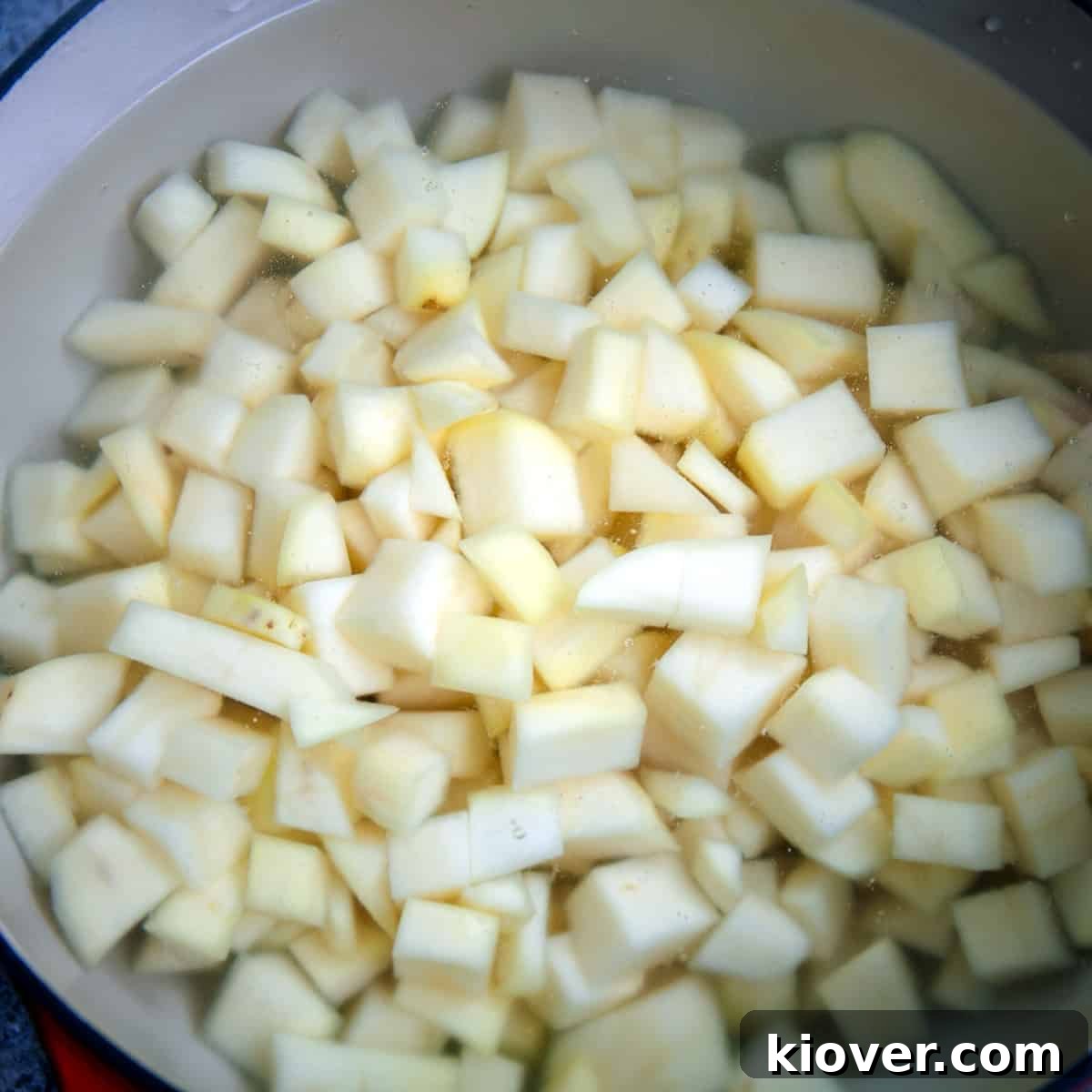
Another often-overlooked but essential step is thoroughly rinsing and soaking your potatoes before cooking. Potatoes, especially starchy varieties like Russets, have excess starch on their surface. This residual starch can contribute to a waxy, gummy, or even plastic-like texture in your mashed potatoes. To combat this, simply soak your peeled and cut potatoes in cold water for at least 15-30 minutes, then rinse them thoroughly until the water runs clear. This process helps to wash away that surface starch, paving the way for a truly light and fluffy mash.
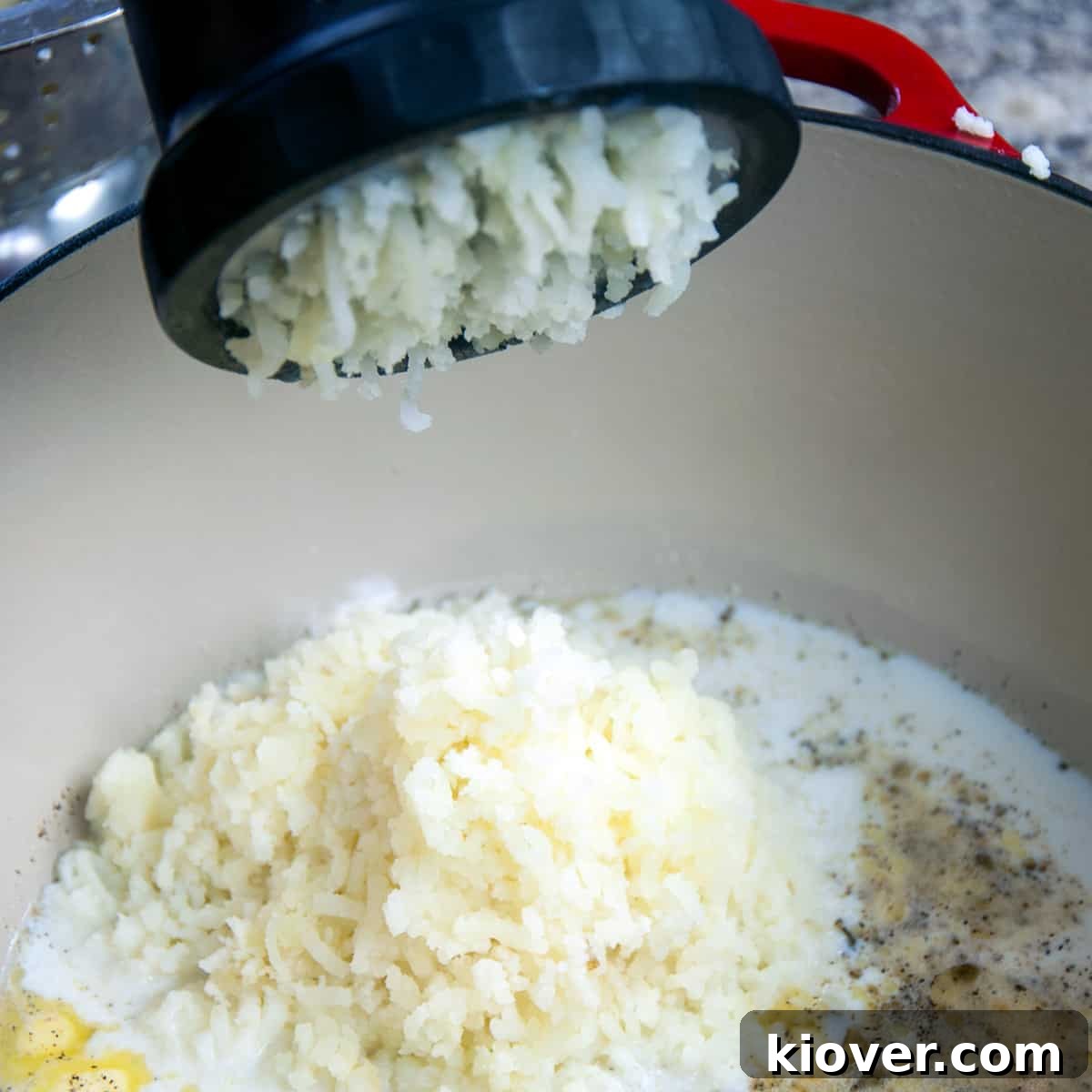
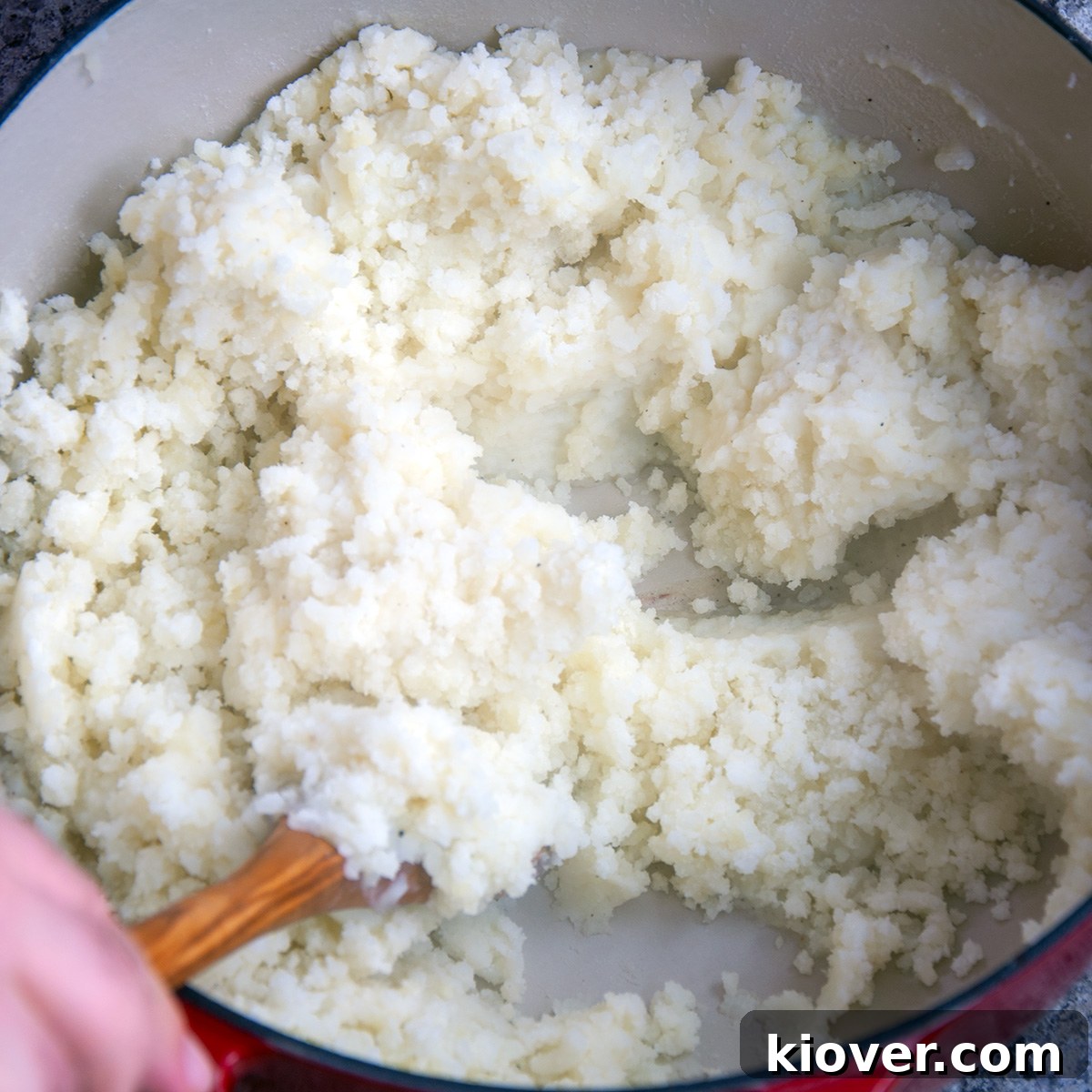
Finally, let’s address the perennial quest for lump-free mashed potatoes. The secret weapon here is a potato ricer or a food mill. These clever gadgets effortlessly transform cooked potatoes into uniformly fine, fluffy strands, eliminating any chance of lumps. It truly is that easy.
While a potato ricer might seem like an additional kitchen gadget, it’s a game-changer for mashed potato enthusiasts. Its efficiency in producing a smooth, ethereal texture is unmatched. I also find my ricer incredibly useful for making other dishes, such as Lefse, a traditional Norwegian flatbread, proving its versatility beyond just mashing. Investing in one is a small price to pay for consistent mashed potato perfection.
By consistently bringing your dairy to room temperature, properly rinsing and soaking the correct type of potatoes, and utilizing the magical power of a potato ricer or food mill, you are guaranteed to achieve the most delectable, lump-free, and incredibly fluffy mashed potatoes every single time. These three simple pillars are the foundation of mashed potato mastery.
Crucial Mashed Potato Mistakes to Avoid
When striving for perfect mashed potatoes, knowing what *not* to do is just as important as knowing what to do. One of the most common and catastrophic errors is using a **hand blender, immersion blender, or food processor** to mash your potatoes. While these appliances might seem like a quick solution, their high-speed blades and intense agitation overwork the potato starch. This process releases excessive starch, resulting in mashed potatoes that are not only unappetizingly waxy and plastic-looking but also have a distinct, glue-like, gummy consistency. This is the antithesis of the light, fluffy texture we’re aiming for.
If you don’t have a potato ricer or food mill, as we strongly recommend, your next best option is a traditional **hand masher**. A hand masher allows you to break down the potatoes with minimal starch release, giving you more control over the texture and preventing the dreaded gluey outcome. Embrace the gentle touch for truly superior mashed potatoes!
🤷 Creative Substitutions and Flavor Variations
While our classic recipe for creamy, lump-free mashed potatoes is perfect as is, it also serves as an excellent foundation for culinary creativity. Here are a few ways you can customize this recipe to suit your taste preferences or dietary needs, transforming it into an entirely new delightful dish:
- Type of Potato: As mentioned, Russet potatoes are ideal for fluffiness, but Yukon Gold potatoes offer a naturally buttery flavor and creamy texture for a slightly denser mash. You can even combine them!
- Dairy Alternatives: Our recipe uses whole milk for balanced richness. For a more decadent experience, substitute with half-and-half or heavy cream. If you prefer a lighter version, 2% milk can be used, though it will result in a less creamy texture. For a tangy twist, a dollop of sour cream, crème fraîche, or even plain Greek yogurt can add complexity and a lovely richness.
- With or Without Skins: If you enjoy the rustic appeal and added fiber of potato skins, this recipe can be adapted to include them. However, if you opt to leave the skins on, it is crucial to *not* use a potato ricer, as the skins will clog it and make it impossible to use. Instead, use a sturdy hand masher to achieve a beautifully chunky, skin-on mash.
- Lumpy vs. Smooth: While our recipe champions lump-free perfection, some prefer a slightly chunkier, more rustic mash. If this is your preference, simply forgo the potato ricer and use a traditional hand masher instead. You’ll still get a wonderful texture with more “character.”
- Garlic Infusion: To infuse your mashed potatoes with a mellow, aromatic garlic flavor, simply toss 4 or 5 peeled whole cloves of garlic into the pot with your potatoes while they boil. They will soften alongside the potatoes and can go right through the ricer, mixing seamlessly into the mash. For a deeper, sweeter garlic flavor, consider roasting a head of garlic, squeezing out the softened cloves, and mashing them in.
- Herbal Delights: Fresh herbs add a vibrant burst of flavor. Stir in finely chopped fresh chives, parsley, rosemary, or thyme just before serving. A blend of herbs de Provence can also elevate the dish.
- Cheesy Indulgence: Transform your mashed potatoes into a cheesy delight by folding in shredded Parmesan, sharp cheddar, creamy Boursin cheese, or even a smoked gouda. Add the cheese while the potatoes are still hot so it melts perfectly.
- Savory Additions: Elevate the savory profile with crispy bacon bits, caramelized onions, or sautéed mushrooms. For a subtle kick, a pinch of smoked paprika or a dash of cayenne pepper can be a delicious surprise.
- Broth for Flavor: For a slightly lighter yet still flavorful mash, you can substitute some or all of the milk with warm chicken or vegetable broth. This is particularly useful if you’re trying to reduce dairy or fat.
- Vegan Mashed Potatoes: For a plant-based option, substitute whole milk with unsweetened almond milk, oat milk, or cashew milk, and use a high-quality vegan butter. Nutritional yeast can also be added for a cheesy, umami depth.
📦 Storing and Reheating Your Mashed Potatoes
Mashed potatoes are a fantastic make-ahead dish, perfect for busy hosts or for enjoying delicious leftovers. Knowing how to properly store and reheat them ensures you can savor their creamy goodness for days to come. Here’s how to manage both short-term warmth and long-term storage:
Keeping Mashed Potatoes Warm for Serving
If you’re serving mashed potatoes at a holiday meal or buffet, keeping them warm and creamy is key. The simplest method is to transfer them to a serving dish with a tight-fitting cover. If you don’t have a dedicated lid, a piece of aluminum foil tented over the dish will do the trick, trapping the heat and moisture.
For longer periods, a **slow cooker** set to the “warm” or “low” setting is an excellent option. Transfer your freshly made mashed potatoes to the slow cooker, stir occasionally to prevent sticking and drying out, and add a splash of warm milk or a pat of butter if they seem to thicken too much. A **double boiler** method is another gentle way to keep them warm over low heat, ensuring they don’t scorch or dry out.
Refrigeration for Short-Term Storage
Mashed potatoes can be safely stored in the refrigerator for a few days. To do so, transfer them to an airtight container and refrigerate within two hours of cooking to prevent bacterial growth. Properly stored, they will remain fresh for up to three to four days. When you’re ready to reheat, add a bit of extra milk or butter. This will help restore their original creaminess and prevent them from becoming dry or pasty.
Freezing for Long-Term Storage
Yes, mashed potatoes can be frozen! This is a fantastic option for meal prepping or extending their shelf life. To freeze, allow the mashed potatoes to cool completely. Then, transfer them to a freezer-safe container or heavy-duty freezer bags. For best results, freeze them in individual or family-sized portions, pressing out as much air as possible from the bags to prevent freezer burn. They can be frozen for up to 2-3 months.
Reheating Frozen Mashed Potatoes
When ready to enjoy, thaw the frozen mashed potatoes overnight in the refrigerator. Once thawed, you can reheat them on the stove over low heat, stirring frequently and adding extra milk or butter until they are creamy and heated through. Alternatively, reheat them in the microwave, stirring every minute or so, again adding liquid and fat as needed. For a hands-off approach, you can also bake them in an oven-safe dish covered with foil at 350°F (175°C) until warmed through, then uncover and stir well.
It’s important to note that mashed potatoes may experience a slight change in texture after being refrigerated or frozen and reheated. They might become a bit drier, firmer, or slightly grainy. However, they will still be perfectly safe and delicious to eat, provided they were stored correctly and reheated to a safe internal temperature.
🎓 A Brief History of Mashed Potatoes
The humble potato, the star of our dish, has a fascinating and extensive history that predates its transformation into mashed glory. Potatoes were first cultivated by the ancient Inca civilization in the Andes Mountains, in what is now modern-day Peru, as far back as 8,000 to 5,000 BCE. They were a vital food source, revered for their nutritional value and adaptability to harsh climates.
It wasn’t until the 16th century that the Spanish conquistadors introduced potatoes to Europe. Initially met with suspicion and even fear—some believed they were poisonous or caused leprosy due to their connection to the nightshade family—potatoes slowly gained acceptance. Over time, their ease of cultivation, high yield, and nutritional benefits became undeniable, leading to their rapid spread and adoption throughout the continent, fundamentally changing European agriculture and diets.
The culinary innovation of mashing potatoes, however, came much later. The first known published recipe for mashed potatoes appeared in an English cookbook titled “The Art of Cookery Made Plain and Easy” by Hannah Glasse, published in 1747. Her recipe was elegantly simple, calling for boiled potatoes to be mashed with butter and cream, then seasoned with salt and pepper. This foundational method quickly gained popularity, transforming potatoes into a comforting side dish.
Mashed potatoes solidified their place as a staple of European cuisine throughout the 18th and 19th centuries, evolving with various regional adaptations. When European immigrants arrived in the United States in the 19th century, they brought with them their culinary traditions, including this beloved potato preparation. Mashed potatoes quickly became a popular side dish in American cuisine, eventually becoming an iconic and ubiquitous part of the traditional American holiday meal, particularly revered during Thanksgiving feasts. From ancient Inca staple to a global comfort food, the journey of mashed potatoes is truly remarkable.
❓ Frequently Asked Questions About Mashed Potatoes
Mashed potatoes can be part of a healthy diet, depending on their preparation. When made with low-fat milk and butter, and seasoned generously with herbs and spices instead of excessive salt, they can be quite nutritious. However, traditional mashed potatoes, rich in butter and whole milk, can be high in calories and carbohydrates. Portions and additions make all the difference!
No, plain mashed potatoes made from potatoes, butter, milk, and standard seasonings like salt and pepper are naturally gluten-free. Always check labels for any processed additions or thickeners if you have severe gluten sensitivities.
Yes, mashed potatoes freeze remarkably well. To freeze them, place the cooled mashed potatoes in an airtight, freezer-safe container or heavy-duty freezer bags. They can be stored in the freezer for up to 2-3 months. Thaw overnight in the refrigerator before reheating.
A good general estimate is approximately ½ pound of raw, peeled potatoes for one generous serving. Adjust this amount based on appetite and whether mashed potatoes are a main or side dish.
Gluey mashed potatoes are almost always a result of overworking the potatoes or using the wrong equipment. High-speed blenders or food processors release too much starch, leading to a gummy texture. For best results, use a potato ricer, food mill, or a hand masher, and mix only until combined.
Absolutely! Mashed potatoes are an excellent dish to prepare in advance. You can make them a day or two ahead and store them in an airtight container in the refrigerator, or freeze them for longer storage. Just be sure to reheat them gently and add a splash of warm milk or a pat of butter to restore their creamy consistency.
📝 Pro Tips and Tricks for Mashed Potato Mastery
Achieving the perfect bowl of creamy, fluffy, and flavorful mashed potatoes is within your reach! Keep these essential tips and tricks in mind for consistent success:
- Stick to Russet Potatoes: For the ultimate fluffy texture, Russet potatoes are your best friend due to their high starch and low moisture content. Yukon Gold are a good second choice.
- Rinse and Soak Thoroughly: Don’t skip this critical step! Rinsing and soaking peeled, cubed potatoes in cold water removes excess surface starch, preventing a gummy or waxy texture.
- Salt Your Cooking Water: Just like pasta, potatoes need to be seasoned from the inside out. Add a generous amount of salt to your boiling water – it makes a huge difference in the final flavor.
- Use the Right Tool: For guaranteed lump-free results, a potato ricer or food mill is indispensable. If you don’t have one, a good old-fashioned hand masher is the next best choice.
- Absolutely NO Hand Mixers or Food Processors: This cannot be stressed enough. High-speed blending or processing will overwork the starches and result in a gluey, unappetizing consistency. Avoid at all costs!
- Room Temperature Dairy and Butter are Key: This is a game-changer! Cold ingredients will cool down your hot potatoes and prevent butter from melting properly. If you’re short on time, gently warm your milk and butter in the microwave at a very low power setting (e.g., power level 2 out of 10 for 2-5 minutes) until just warmed, not hot.
- Don’t Overmix: Once you’ve riced or mashed your potatoes and added the dairy and butter, mix gently with a spatula or wooden spoon until just combined and fluffy. Overmixing can also start to break down starches, leading to a gluey texture.
- Taste and Adjust Seasoning: Always taste your mashed potatoes before serving and adjust salt and pepper as needed. Sometimes a little extra goes a long way. Consider a pinch of white pepper for a subtle spice without visible flecks, or a grate of fresh nutmeg for warmth.
- Add Flavor Enhancers: Love garlic? Boil a few peeled garlic cloves with your potatoes or stir in roasted garlic for a sweeter, more intense flavor. Fresh chives, a swirl of cream cheese, or a sprinkle of paprika can also elevate your mash.
- Serve Hot: Mashed potatoes are best served immediately. Preheat your serving bowl if possible to help maintain their warmth.
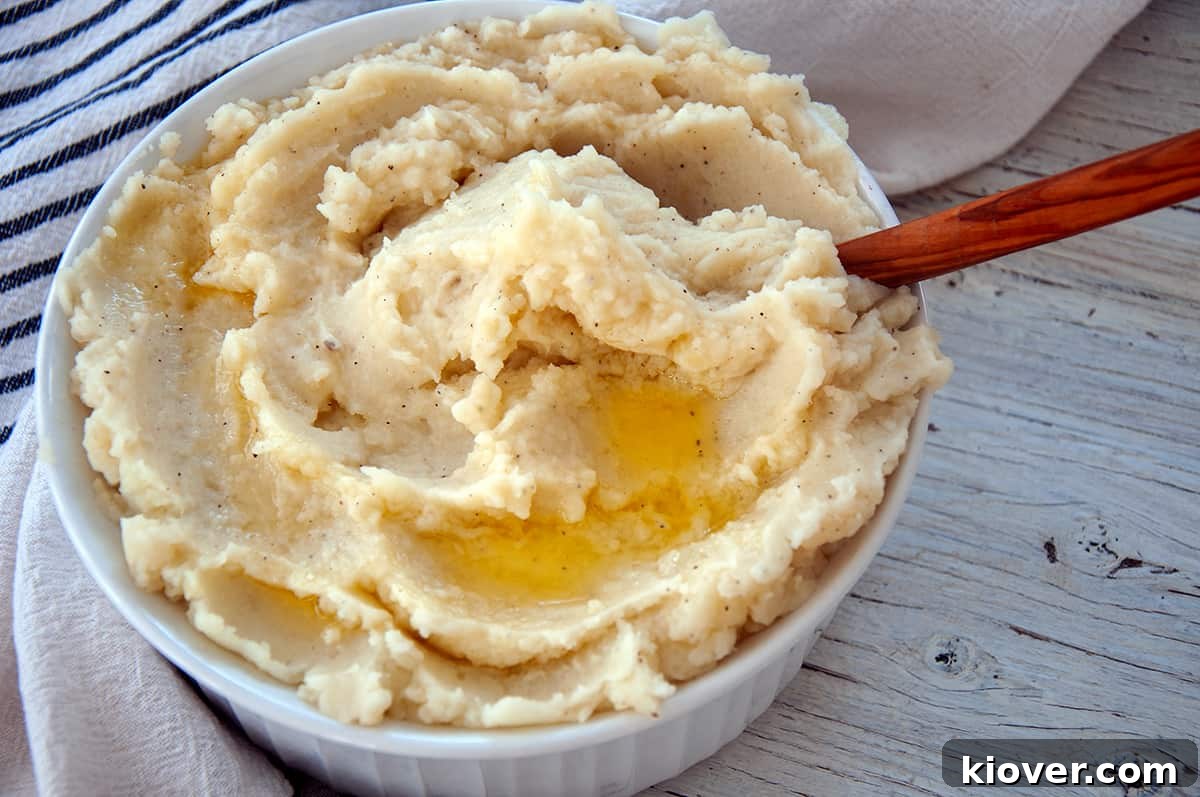
🛠 Recommended Kitchen Tools for This Recipe
Having the right tools can make all the difference in achieving the perfect mashed potatoes. These are the essential items that will help you execute this recipe flawlessly:
- Potato Ricer: Absolutely essential for lump-free, fluffy mashed potatoes.
- Hand Masher: A great alternative if you prefer a slightly chunkier mash or don’t have a ricer.
- Large Colander: Crucial for efficiently draining your cooked potatoes.
- Large Stock Pot: For boiling your potatoes evenly.
- Sharp Knife and Cutting Board: For safely peeling and cubing potatoes.
- Sturdy Spatula or Wooden Spoon: For gently folding in the dairy and butter without overmixing.
😋 Share Your Mashed Potato Masterpiece!
We are absolutely thrilled that you decided to give our Best Mashed Potatoes recipe a try! Your culinary journey to creating the most creamy, fluffy, and flavorful mashed potatoes is now complete. We truly hope this recipe brought a touch of perfection to your table.
If you loved this recipe and found our tips helpful, please consider leaving a rating and sharing your thoughts in the comment section below. Your feedback means the world to us and helps other home cooks discover this amazing recipe. Don’t forget to sign up for our newsletter to receive more delicious recipes and kitchen wisdom directly in your inbox, and share your creation on Pinterest to inspire others! Most importantly, thank you for visiting Ramshackle Pantry – happy cooking!
Print Recipe
Best Mashed Potatoes with NO LUMPS
5 Stars 4 Stars 3 Stars 2 Stars 1 Star
5 from 2 reviews
Author: Ben
Prep Time: 10 minutes
Cook Time: 25 minutes
Total Time: 35 minutes
Yield: 5 servings
Category: Side Dish
Method: Stovetop
Cuisine: American
Description
Get ready to indulge in the most heavenly, creamy, and utterly delicious mashed potatoes you’ve ever tasted! Say goodbye to lumpy mashed potatoes forever with this easy-to-follow recipe that will leave your taste buds singing with joy. Made with perfectly cooked Russet potatoes, velvety whole milk, and rich butter, these homemade mashed potatoes are guaranteed to become your new go-to comfort food. Prepare for everyone to ask for seconds (and maybe even thirds!) of this incredibly fluffy and flavorful side dish.
Ingredients
Units
Scale
- 2 1/2 pounds rinsed and peeled Russet potatoes, cut into approximately 1-inch cubes
- 1 cup whole milk, room temperature
- 4 tablespoons unsalted butter, room temperature, chopped into 1-inch pats
- 1 teaspoon fine sea salt, or to taste
- 1/2 teaspoon freshly ground black pepper, or to taste
Instructions
- Prepare Potatoes: Thoroughly rinse your peeled and uniformly cut 1-inch potato cubes under cold running water. Place the rinsed potatoes in a large bowl and allow them to soak in fresh cold water while your boiling water heats up. This soaking step helps remove excess surface starch.
- Boil Water: In a large, heavy-bottomed pot, bring a generous amount of water to a rolling boil. Add a good tablespoon of salt to the boiling water to season the potatoes from within.
- Cook Potatoes: Drain the soaked potatoes completely and carefully add them to the boiling salted water. Cook until the potatoes are fork-tender, which typically takes approximately 10-15 minutes, depending on the size of your cubes. They should be easily pierced with a fork but not falling apart.
- Drain Thoroughly: Once tender, immediately remove the potatoes from the heat. Drain them very well in a large colander, ensuring all excess water is removed. You can even return the drained potatoes to the empty hot pot for a minute or two over very low heat to steam off any residual moisture.
- Prepare Dairy Mixture: In the same pot (or a separate large, warm mixing bowl), combine your room-temperature whole milk, softened butter pats, salt, and pepper. The warmth of the pot will help the butter begin to melt.
- Rice the Potatoes: Working quickly while the potatoes are still hot, press them through a potato ricer or food mill directly into the pot with the milk and butter mixture. This is the key to achieving a perfectly lump-free and airy texture.
- Gently Combine: Using a sturdy spatula or wooden spoon, gently fold the riced potatoes into the butter and milk mixture until just combined. Be careful not to overmix, as this can activate potato starches and lead to a gummy consistency. The residual heat from the potatoes will melt the butter and warm the milk, creating a cohesive, creamy texture.
- Taste and Serve: Taste your mashed potatoes and adjust seasoning (salt and pepper) as needed. Serve immediately in a preheated serving bowl for the best experience. Garnish with a pat of butter, fresh chives, or parsley if desired.
Notes
- For the fluffiest results, always opt for Russet potatoes due to their high starch content.
- Ensure you rinse and soak your peeled and cubed potatoes to remove excess surface starch, preventing a gummy texture.
- Never use a hand mixer, immersion blender, or food processor to mash potatoes, as this will overwork the starch and create a glue-like consistency. A potato ricer is highly recommended.
- It is absolutely crucial to use room-temperature milk and butter. If you’re short on time, gently warm your milk and butter in the microwave at a very low power setting (e.g., power level two out of ten on my microwave for about 2-5 minutes) until they are no longer cold.
- Always taste your mashed potatoes before serving and add more salt and pepper as desired to achieve your perfect flavor balance.
- To add a subtle garlic flavor, boil 4-5 peeled whole garlic cloves with your potatoes, then rice them along with the potatoes.